




















How Groucho’s Deli Grew Online Sales 10x After Switching to Per Diem
TLDR
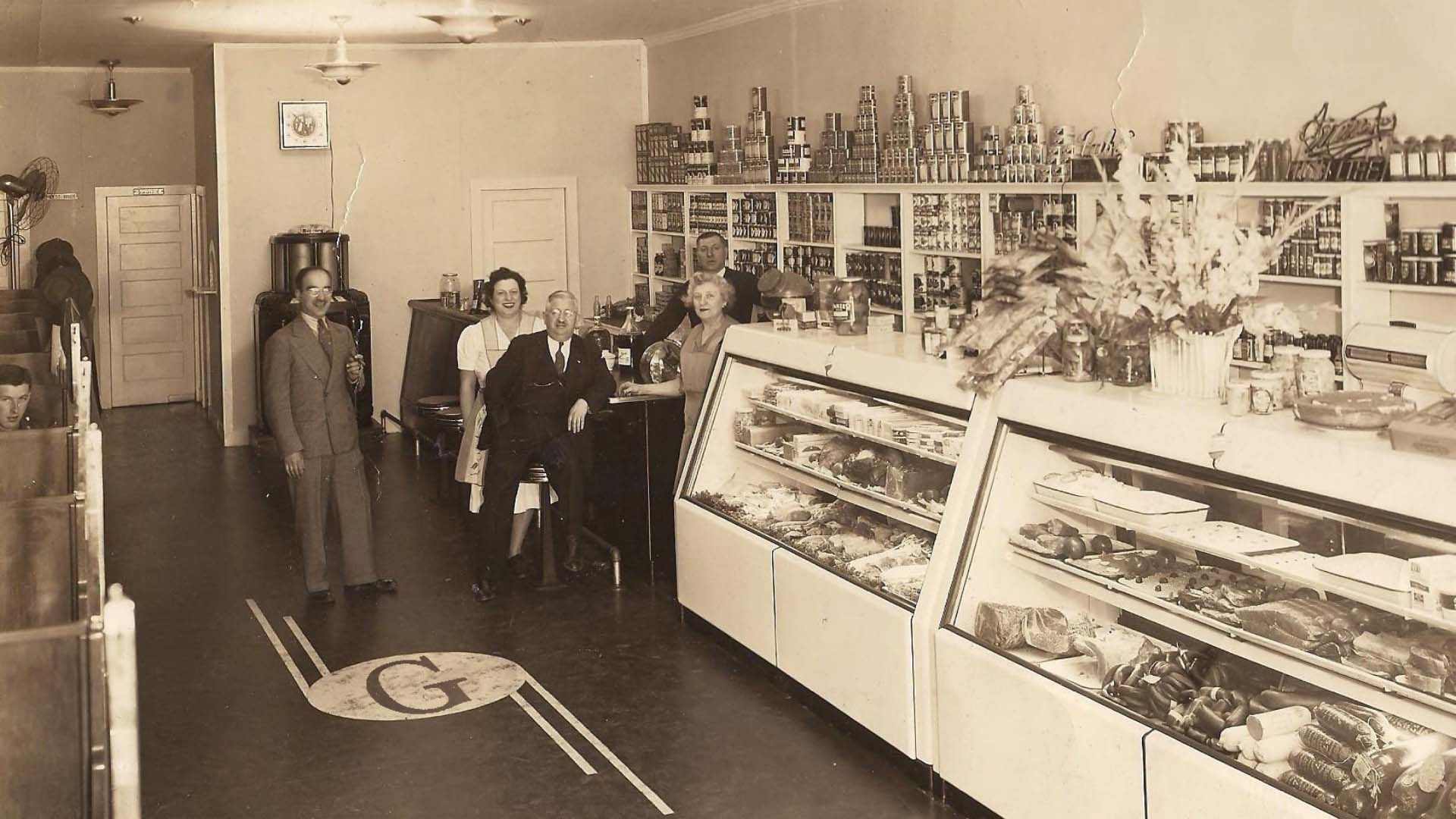
Groucho’s Deli has been making sandwiches since 1941, when Harold “Groucho” Miller opened the first shop in Columbia, South Carolina. What started with his own recipes for dressings, potato salad, and coleslaw grew into a neighborhood deli brand with over 30 locations across South Carolina, North Carolina, and Georgia. As the business grew, the way people ordered changed too. Groucho’s already had online ordering, but its legacy platform was no longer where the brand wanted to stay. After moving its operations to Per Diem, Groucho’s reported a 10x increase in online sales. So, what changed after Groucho’s left its legacy ordering platform?
Why Groucho’s Deli Switched From Its Legacy Ordering Platform
Groucho’s was not trying online ordering for the first time. The brand already had an online ordering system in place. The change was about finding a setup that better matched where the business was heading.
That matters for a brand with locations spread across three states. Groucho’s started franchising in 2000, after decades as a single-location business. As new restaurants opened, the company worked to keep its recipes and customer experience consistent while still allowing each shop to feel like a neighborhood deli. Its online experience had to work with that same idea.
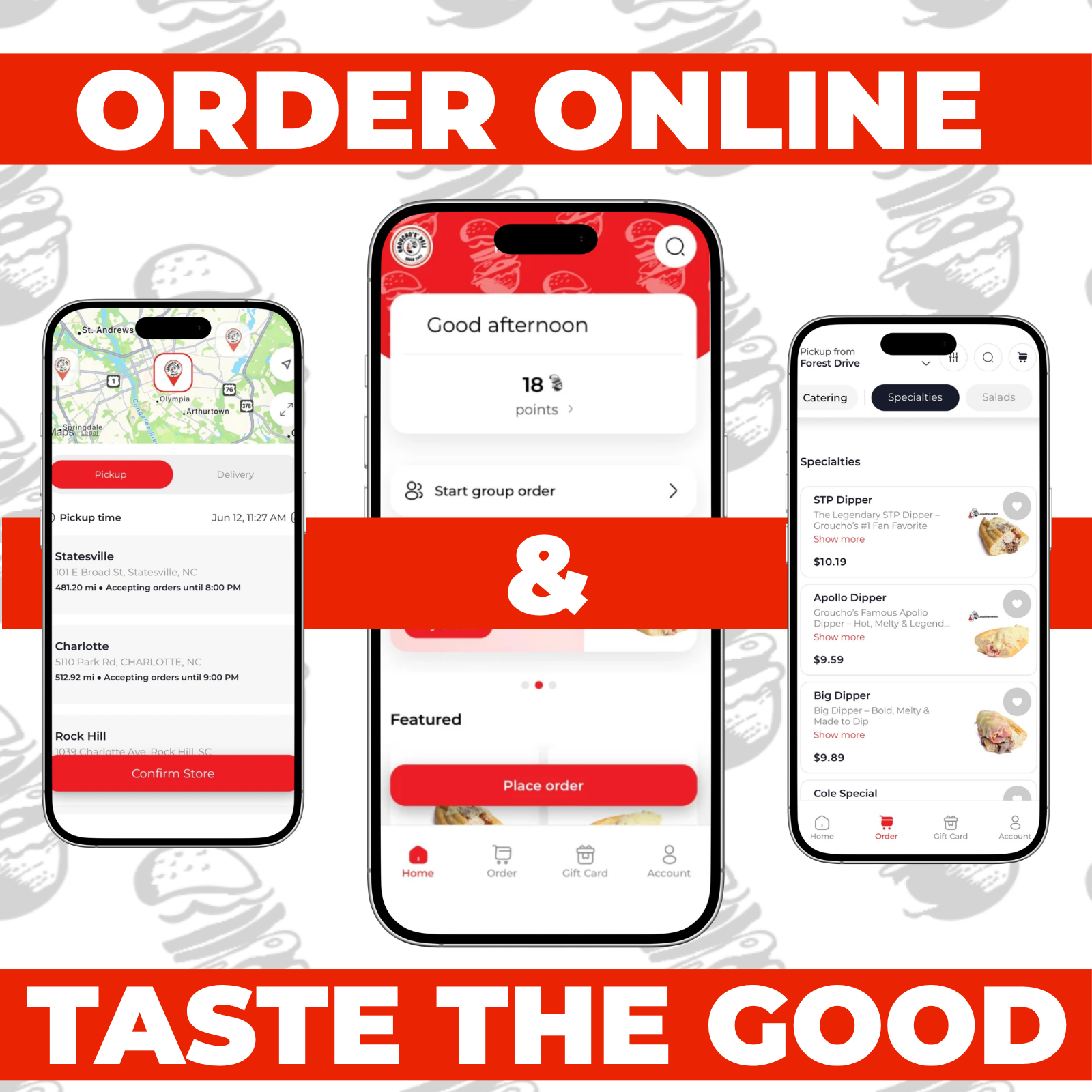
Groucho’s moved to Per Diem to bring its direct ordering experience together across web, mobile, and catering. Customers could have a clear brand experience online instead of digital ordering feeling separate from the Groucho’s they already knew.
The timing also reflects how restaurant ordering has changed. Square found that 78% of restaurant owners said online ordering was the channel driving the most orders to their business. Its research also found that first-party online ordering can carry higher profit margins than third-party delivery.
For Groucho’s, the opportunity was already there. People knew the brand, its sandwiches, and its signature sauces. The next step was giving them a simpler way to order those favorites directly.
Making Groucho’s Easier to Order Online
A large share of the brand’s digital orders are for pickup and ASAP fulfillment. It fits the way people often order from a deli. Someone grabbing lunch between meetings or picking up dinner on the way home wants to choose their food, place the order, and know when it is ready.
Groucho’s supports that journey through its branded web ordering storefront and mobile app. Automated status messages then keep customers updated from the time an order is received until it is ready for pickup.
Over 5,000 App Downloads and a Busy Web Storefront
The Groucho’s iOS app has recorded over 5,000 downloads following its launch, alongside its Android users. The app gives regular customers a quick way to return and order again.
The branded web storefront handles an even larger share of online orders. Customers can go from the Groucho’s website to placing an order without needing to install the app first. Together, the two channels give people a simple choice based on how they prefer to order.
That convenience matters. Square found that 60% of customers said they probably would not return to a restaurant that lacked convenient ordering and payment options.
Groucho’s own ordering patterns support that point. The strong use of ASAP pickup shows that customers are turning to its online channels when they want their usual order quickly and with fewer steps.
How Groucho’s Keeps Customers Coming Back
Getting someone to place an order once is useful. Getting that customer to return is where Groucho’s results become especially interesting.
Today, 29% of Groucho’s customers are repeat customers, and that group grew 24% month over month in the latest period measured. Those numbers show that a meaningful part of its online customer base is developing a habit around the brand.
Groucho’s has several ways to stay in front of customers after an order. It regularly runs coupons and uses in-app banners and posts to highlight offers, menu items, and rewards. Instead of waiting for someone to remember the restaurant, these tools give the brand ways to reach people who have already ordered.
The promotions are also running at a relatively lean discount rate. That is an important part of the picture. Groucho’s is giving customers reasons to return without making large discounts the main reason to place another order.
Catering Has Its Own Place
Catering serves a different customer need, so Groucho’s treats it separately from its everyday orders.
With Per Diem, catering is available as its own ordering option and tracked as a separate channel. That gives the team a clearer view of this part of the business instead of grouping a large office or event order with regular lunch orders.
For a deli brand, that distinction makes sense. Groucho’s menu already lends itself to group meals, business lunches, parties, and other occasions. Bringing catering into its direct setup gives those customers a clear path to place larger orders while giving Groucho’s a better way to manage that part of its online business.
Read this guide if you’re trying to build profitable catering for your business.
Where Legacy Restaurant Online Ordering Platforms Fall Short
Groucho’s experience also raises a useful question for other restaurant operators: when has a restaurant outgrown its online ordering platform?
A system may still process orders correctly and still be limiting the business around those orders.
Older restaurant ordering setups often focus mainly on getting an order from the customer to the restaurant. That can become restrictive once a business wants to understand who comes back, run targeted promotions, build an app audience, grow catering, or manage customer activity across several locations.
Using separate tools for each job can create another problem. Ordering may live in one place, marketing in another, catering somewhere else, and customer information across several systems. The restaurant then has pieces of the customer journey without a clear view of the whole relationship.
For a growing restaurant, it is worth looking beyond the basic question of whether the current system still works. A better question is: what can the business do with a customer after an order has been placed?
That is where the difference becomes clearer. Taking online orders solves one task. Knowing which customers return, giving them relevant reasons to visit again, and supporting different types of orders gives the restaurant much more room to grow its direct business.
Final Thoughts
Groucho’s had decades of brand recognition behind it before making this change. What Per Diem provided was a way to bring its next stage of online growth closer to the business itself.
Since making the switch, Groucho’s owner Deric says its online sales have grown 10x. At the same time, repeat customers now make up 29% of its customer base, with that group continuing to grow.
For restaurants still using older ordering systems, Groucho’s offers a useful example of what to look at next. The value of online ordering does not end when an order reaches the kitchen. What happens with that customer afterward can matter just as much.
Per Diem helps restaurants using Square bring ordering, customer retention, and marketing into one branded experience.
Book a free demo to see how Per Diem can work for your restaurant.
If you'd like to see how Per Diem helps cafes create that kind of seamless experience, sign up to explore the platform.