






















How Groucho's Deli Ran 39,000 Online Orders in 10 Weeks After Moving to Per Diem
TLDR
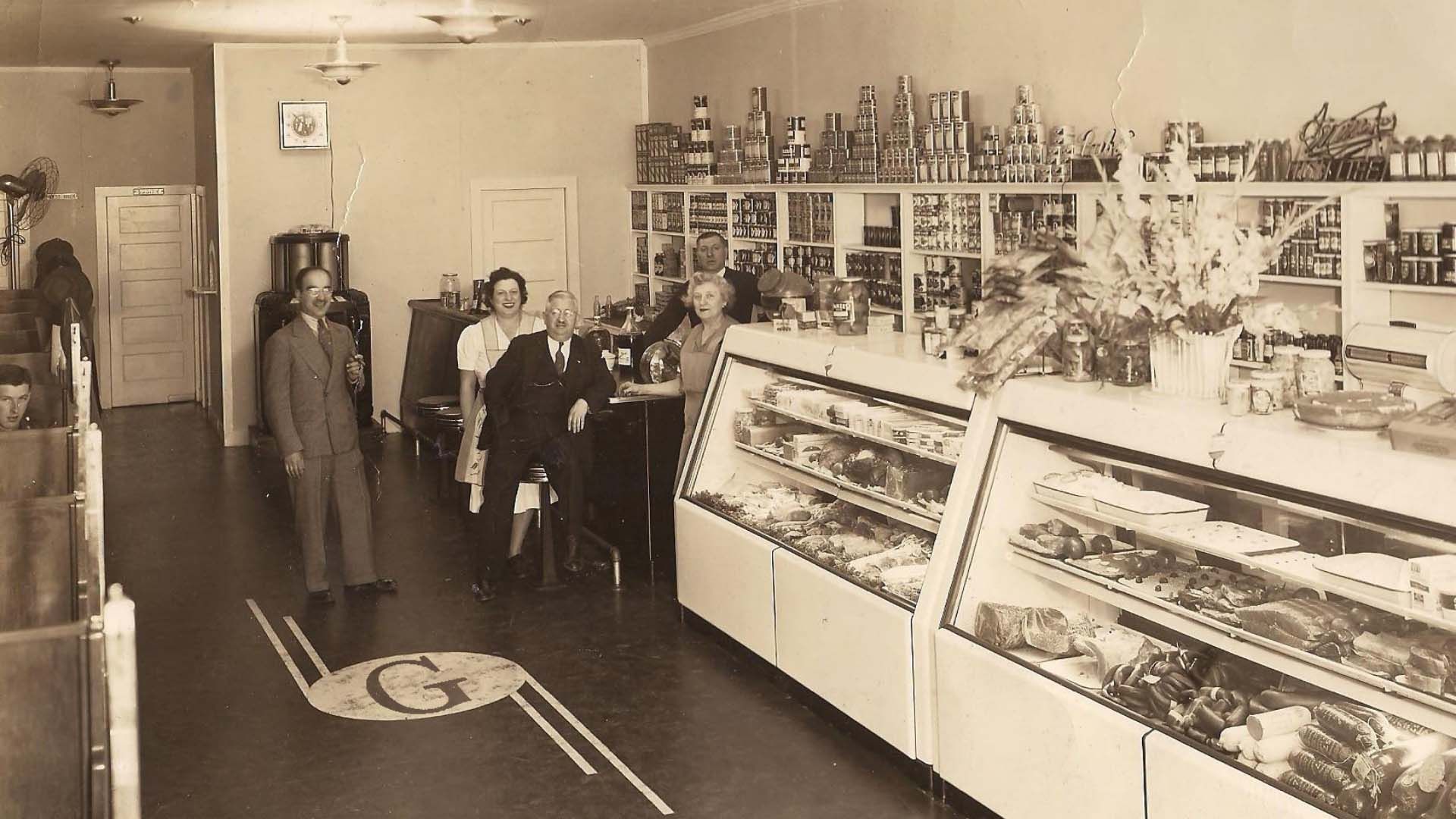
Groucho’s Deli has been making sandwiches since 1941. Harold “Groucho” Miller opened the first shop in Columbia, South Carolina, with his own recipes for dressings, potato salad, and coleslaw. Today, the brand has 32 locations across South Carolina, North Carolina, and Georgia.
Groucho’s already had online ordering. It worked. It just was not built for where the brand was going. After moving app, web, and catering ordering to Per Diem, Groucho’s ran 38,948 online orders in the first ten weeks, with online revenue up 6.0% over the same dates a year earlier. More guests. More orders. Same sandwich. Here’s what changed.
Why Groucho’s Left Its Legacy Ordering Platform
This was not a first try at online ordering. Groucho’s had a platform, and it did the job it was built for: take the order and send it to the kitchen. What it did not do was grow with the brand. As Groucho’s added locations and guests changed how they ordered, the system stayed where it started.
Groucho’s started franchising in 2000 after decades as a single shop. Every location has to serve the same sandwich the same way while still feeling like the neighborhood deli it is. The online experience has to hold that same line.
“We adapt, we don’t change. The sandwich is the sandwich. What had to change was how our guests get to it. We needed web, app, and catering to run as one experience, on one omnichannel menu, tied straight into Square. That’s what we built with Per Diem.” Deric Rosenbaum, President and CTO, Groucho’s Franchise System
The timing lines up with the industry. Square reports that 78% of restaurant owners say online ordering drives more orders than any other channel, and that first party ordering carries better margins than third party delivery.
Groucho’s guests already knew the brand and the Formula 45. The job was giving them a simpler way to order directly.
Making Groucho’s Easier to Order
Most of the brand’s digital orders are pickup and ASAP. That fits how people use a deli. Grab lunch between meetings. Pick up dinner on the way home. Choose the food, place the order, and know when it is ready.
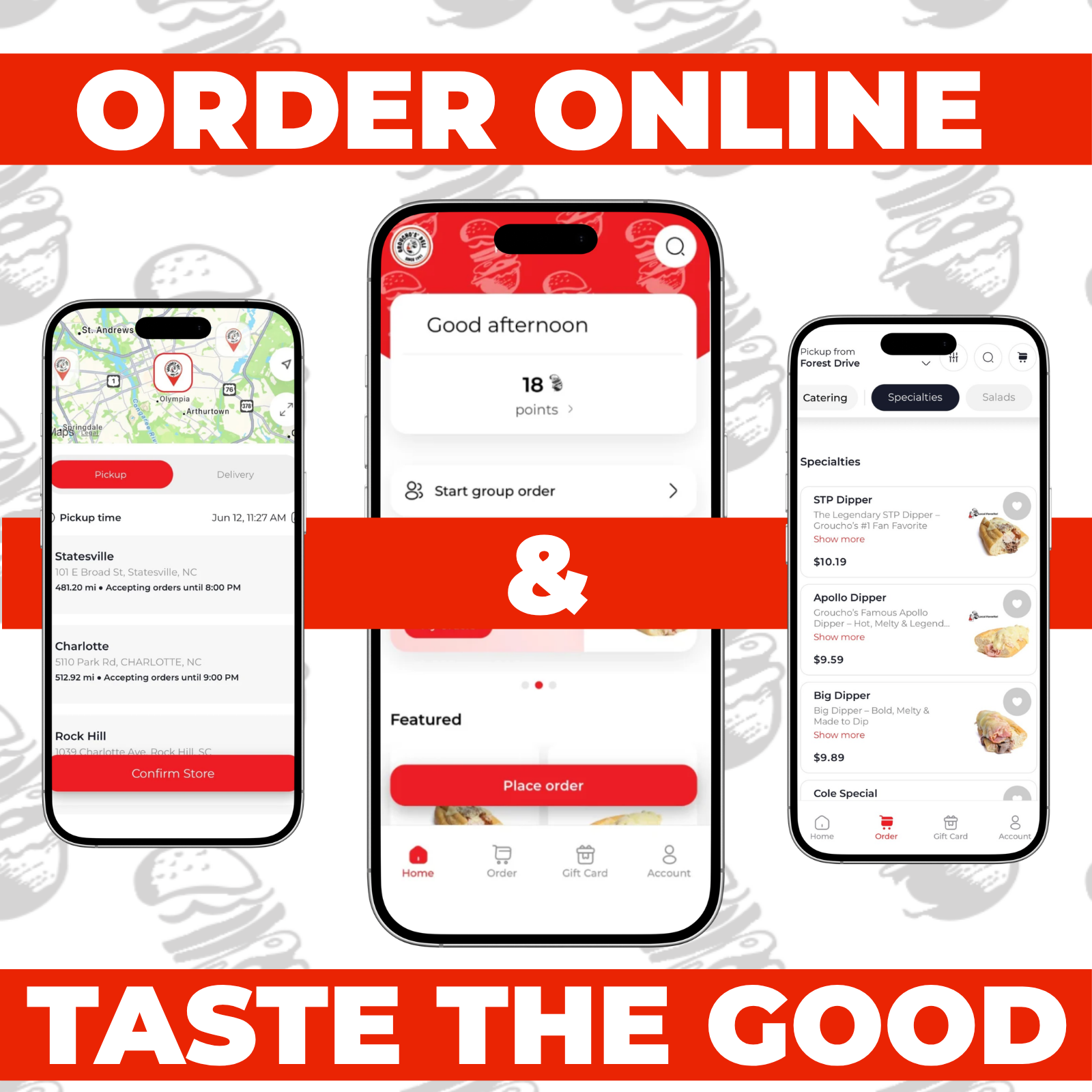
The branded web storefront and mobile app handle that. Automated status messages keep the guest informed from the moment the order lands until it is ready at the counter.
38,948 Orders in the First Ten Weeks
From go live on July 13 through September 21, Groucho’s processed 38,948 online and app orders, up 5.6% from 36,894 during the same dates a year earlier on its old platform. Online revenue rose 6.0% over the same period.
The transition was phased, with full cutover on July 28. In the 56 days after that, Groucho’s processed 31,002 orders. Compared with the same dates a year earlier, online revenue was up 7.9%, order volume was up 7.5%, and trackable guests were up 9.6%. Each measure picked up once the old platform was fully retired.
The Groucho’s app has recorded 7,742 downloads across iOS and Android since launch, based on download totals as of September 22. The app gives guests a fast way back to their usual order. The web storefront carries an even bigger share. Guests can go from Groucho’s website to a placed order without installing anything. Two channels, with guests free to use the one they prefer.
“The growth is coming from more guests placing more orders. Average check is flat at about $25. That’s the result I wanted. We didn’t get here by pushing bigger tickets. We got here by making it easier to order a Groucho’s. Higher AOVs come next.” Deric Rosenbaum
That distinction matters. The average order value since go live was $24.88, compared with $24.77 during the same period last year. After full cutover, it was $24.95 compared with $24.85. The growth is coming from more orders and more trackable guests, rather than larger checks.
How Groucho’s Keeps Guests Coming Back
One order is useful. A second order is the business.
Today, 29% of Groucho’s online guests are repeat guests, and that group grew 24% month over month in the latest period measured. A meaningful share of the online base is building a habit.
“And we’re just getting started on this platform.” Deric Rosenbaum, President and CTO, Groucho’s Franchise System
The guest base is growing too. Groucho’s had 24,887 trackable online guests from July 13 through September 21, up 8.3% from 22,981 during the same dates a year earlier. Since full cutover, that growth rate rises to 9.6%.
Groucho’s stays in front of guests after the order. Coupons run on a regular cadence. In app banners and posts highlight offers, menu items, and rewards. The brand can reach people who have already ordered instead of waiting to be remembered.
The discount rate stays lean on purpose.
“We don’t buy the second visit. We earn it. The tools give us a reason to say hello again. The sandwich does the rest.” Deric Rosenbaum, President and CTO, Groucho’s Franchise System
Catering Gets Its Own Lane
Catering is a different guest with a different need, so Groucho’s runs it as its own channel.
With Per Diem, catering is a separate ordering option and a separately tracked line of business. A 40 person office lunch no longer gets grouped with Tuesday’s regular orders. The team can see catering clearly and manage it on its own terms.
For a deli, that makes sense. The menu was built for group meals, business lunches, and events. Now those guests have a clear path to place a large order, while Groucho’s has a clearer view of that side of the business.
Read this guide if you’re trying to build profitable catering for your business.
When a Restaurant Has Outgrown Its Ordering Platform
A system can still process orders correctly and still hold the business back.
Older platforms often focus on moving an order from the guest to the kitchen. That gets restrictive once a restaurant wants to know who comes back, run targeted offers, build an app audience, grow catering, or understand guest activity across 32 locations.
Separate tools for each job create another problem. Ordering sits in one place, marketing in another, catering somewhere else, and guest data across several systems. The restaurant ends up with pieces of the guest relationship without a clear view of the whole thing.
For a growing restaurant, the better question is not simply, “Does our current ordering system still work?”
It is: What can we do with a guest after the order is placed?
Groucho’s results show why that question matters. The increase did not come from pushing guests toward larger checks. More people ordered, the number of trackable guests increased, and nearly three in ten online guests are now repeat guests.
Final Thoughts
Groucho’s had 85 years of brand recognition behind it before this move. Per Diem gave the brand a way to bring its next stage of online growth in house.
“Ten weeks in, we’ve run close to 39,000 orders through the new platform. Online revenue is up 6.0% year over year, and since the full cutover it’s running at 7.9%. Trackable guests are up 8.3%. Repeat guests are 29% of our online base and growing. More importantly, it all runs on one omnichannel menu through Square, so every location sees what our guests see. That’s the foundation. Everything else builds on it.” Deric Rosenbaum, President and CTO, Groucho’s Franchise System.
For restaurants still using an older ordering system, the lesson is simple. The value of online ordering does not end when the order hits the kitchen. What happens with that guest afterward matters just as much.
Per Diem helps restaurants using Square bring web ordering, mobile apps, catering, guest retention, and marketing into one branded experience.