






















Events
Why Peet’s $30 Coffee Pass Can Be Worth More Than 30 Coffees
Aug 26, 2026
TLDR
Peet’s fall campaign shows how coffee shops can use a strong recurring offer to bring customers back, introduce seasonal products, and grow the value of each visit.
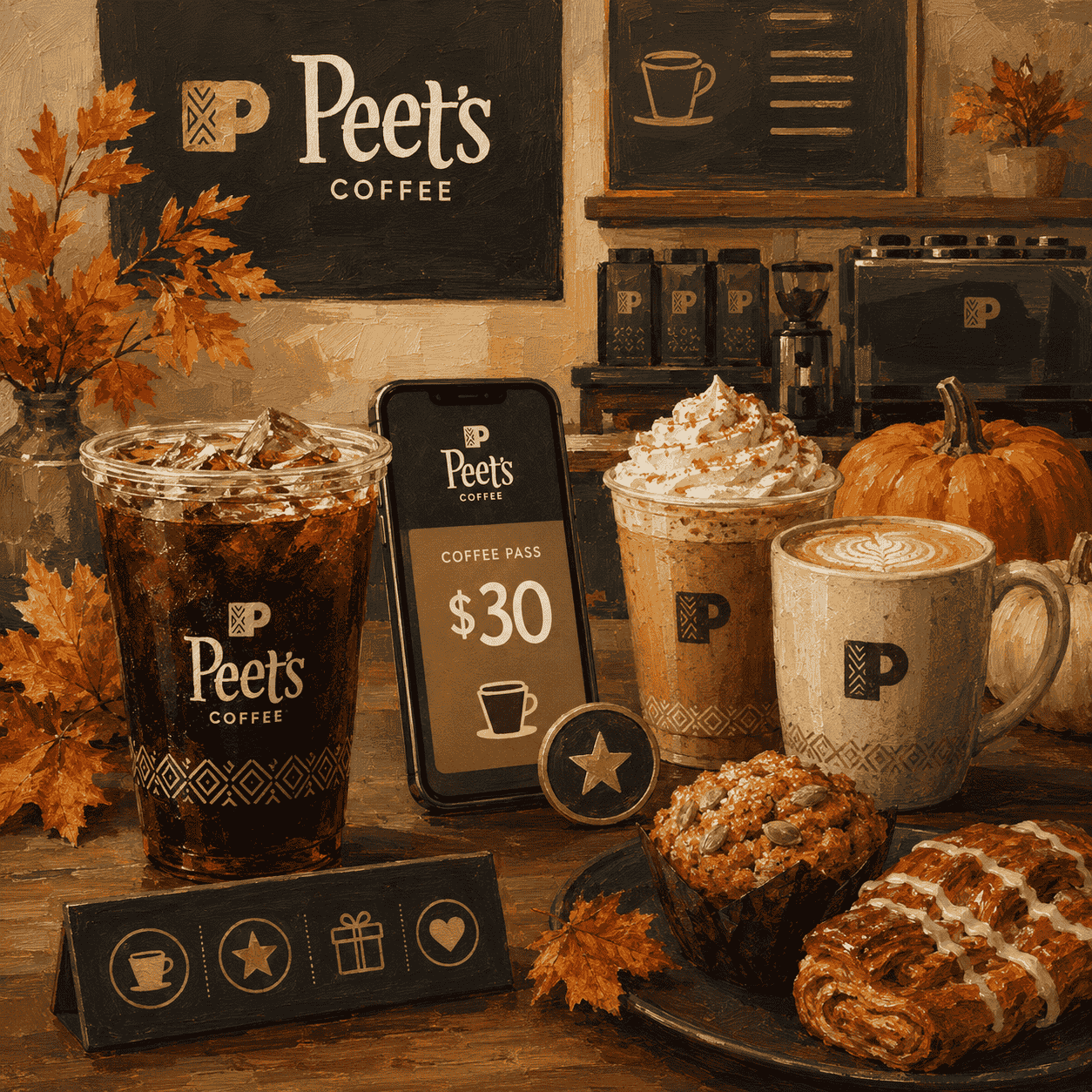
A $30 offer that can cover 30 cold brews sounds like a pricing decision. Look closer, and it starts to look like a customer habit strategy. This September, Peet’s Coffee is bringing back its Cold Brew Pass, giving Peetnik Rewards members one medium cold brew per day for 30 consecutive days for $30. But Peet’s has placed that offer inside a much larger fall campaign, with seasonal drinks, new food, bonus loyalty points, and products arriving throughout the season. For coffee shops, that combination is the part worth studying. The goal isn't to get someone to buy a cheap coffee. It is to give them a strong reason to choose the same shop again tomorrow.
Peet’s $30 Cold Brew Pass Is Built to Increase Coffee Shop Visits
Peet’s Cold Brew Pass runs throughout September 2026. A Peetnik Rewards member who buys it can claim one medium cold brew each day for 30 consecutive days. Used every day, that brings the drink cost down to $1 per redemption.
For a coffee shop, that price can look surprisingly low. But focusing only on the cost of the included drink misses an important part of the model.
A normal discount may persuade someone to place one order. A recurring offer can influence where that person goes for coffee across several weeks.
Think about a customer deciding where to stop before work. They could visit the closest café, make coffee at home, or try somewhere else. Once they have already paid for a Cold Brew Pass, Peet’s has given them a clear reason to choose Peet’s.
That changes the question from “How much margin did we make on this cold brew?” to “What happens when this customer comes through the door several times this month?”
Those extra visits matter because the included drink does not have to be the complete order.
Someone collecting a cold brew can still buy breakfast, add a pastry, order lunch, customize a drink, or notice something new on the menu. Peet’s gets another chance to earn paid sales each time the pass brings that person back.
For smaller cafés considering a coffee subscription or recurring drink offer, this distinction matters. The included item needs to make the program attractive, but the business case should consider the customer’s activity across the full membership period.
Why Peet’s Pairs Its Coffee Pass With a Seasonal Fall Menu
The timing of the Cold Brew Pass makes the campaign much stronger.
Peet’s launched its 2026 fall menu on August 19, shortly before the pass becomes available on September 1. The seasonal lineup includes pumpkin drinks, a Vine & Walnut Autumn Blend, protein smoothies, bakery products, breakfast options, and a Sparkling Green Apple Energy drink. Two additional pumpkin drinks are scheduled to arrive in October.
So customers using the pass are walking into Peet’s at a time when there is plenty to notice beyond their usual cold brew.
That creates a useful relationship between a familiar product and new products.
The familiar drink gives customers a reason to show up. The limited fall menu gives Peet’s something fresh to put in front of them once they arrive.
A café can apply the same thinking without launching a large seasonal menu. A pumpkin muffin, maple latte, apple pastry, fall breakfast sandwich, or limited roast can play the same role.
The important part is giving regular customers something new to discover while their visit frequency is high.
This can be especially useful for products that customers may not actively seek out on their own. A new pastry sitting in the display case has a much better chance of being noticed by someone visiting four times in a week than someone who comes once during the month.
Seasonal products also give the campaign a natural deadline. Customers know the menu will change again, which can make trying a new item feel timely rather than something they can leave for later.
Peet’s Uses Loyalty Points to Encourage Food and Pastry Orders
Peet’s added another layer that makes the campaign particularly useful for coffee shop owners to study.
Cold Brew Pass holders receive double Peetnik Rewards points when an order includes a warm food or pastry item.
That detail connects the recurring drink offer directly to another business goal.
Instead of giving pass holders an additional discount on their coffee, Peet’s rewards an action that can increase the rest of the order. A customer may arrive for the included cold brew, see that adding breakfast earns extra points, and decide to purchase food as well.
It is a simple way to guide customer behavior without discounting everything.
There is broader evidence behind that approach. Square reports that 82% of restaurant leaders with loyalty programs say those programs help increase repeat visits, while 83% say they help increase order size. Square also reports that customers enrolled in Square Loyalty spend 1.67 times as much as customers who are not enrolled.
For an independent coffee shop, the useful lesson is to decide what action deserves an extra reward.
If your morning coffee sales are already strong but food attachment is low, bonus points could apply to breakfast. If you are introducing a seasonal latte, customers could earn extra points for trying it. If afternoons are quiet, an offer could reward purchases during that period.
The reward then has a clear job instead of being another general discount.
Coffee Subscriptions Work Better When They Support a Larger Campaign
This is where the Peet’s campaign becomes practical for independent coffee shops.
A local café does not need to copy the $30 price or promise a drink every day. In fact, copying the economics of a national chain without looking at your own costs, customer habits, and average order value would be risky.
The better idea to borrow is the structure.
A recurring coffee benefit can create a base reason for customers to visit. Around that benefit, the shop can plan seasonal products, loyalty offers, and timely messages that give those visits additional purpose.
That also changes how a café should think about a subscription. It does not need to operate as a separate program sitting quietly on an app or website. It can become the starting point for a full month of customer marketing.
And that is where smaller coffee shops have room to build their own version of the strategy.
How Independent Coffee Shops Can Build Their Own Version
The useful part of Peet’s campaign is not the $30 price. It is the way several simple ideas work together.
A coffee subscription gives customers a recurring drink benefit for a set price or membership period. For cafés, the model can create regular visits that can support food sales, seasonal launches, and loyalty campaigns.
An independent café could start with a recurring benefit that fits its own margins. For example, subscribers might receive a regular drip coffee each day or a set number of drinks each month. The offer should be valuable enough to become part of a customer’s routine without forcing the shop to copy Peet’s exact model.
From there, the café can decide what it wants those additional visits to achieve.
A fall campaign could introduce a pumpkin latte and a new pastry at the same time. Subscribers could earn bonus loyalty points for adding the pastry or trying the seasonal drink. A morning push notification could highlight that day’s product, while a loyalty challenge could reward customers for trying several fall items during the month.
A simple campaign might look like this:
- Give subscribers a regular drip coffee as their recurring benefit.
- Launch one or two fall drinks and a seasonal food item.
- Offer bonus loyalty points when members purchase a featured product.
- Send timely push notifications to promote specific items.
- Run a loyalty challenge that encourages customers to explore the fall menu.
Each part has a different purpose. The subscription gives customers a reason to come in. Seasonal products create something new to buy. Loyalty provides an incentive to explore. Push notifications keep the campaign visible.
Coffee shops using Per Diem can run this type of setup through their branded ordering experience. Per Diem subscriptions can provide the recurring benefit, while Per Diem Loyalty can support bonus points, challenges, and other rewards. Merchants can also use push notifications to communicate with customers throughout the campaign.
The important part is not turning every feature on at once. Start with the business goal.
If you want to sell breakfast, connect the reward to breakfast. If you want customers to discover a new fall drink, build the incentive around that product. If you have a slow period during the day, give customers a reason to visit then.
That makes the campaign easier for customers to understand and easier for the business to measure.
Measure the Full Customer Month, Not the Cost of the Free Coffee
A recurring drink program can look expensive if every redemption is treated as an isolated transaction.
That is why you should evaluate the full customer relationship during the offer period.
Imagine a subscriber collects an included coffee three mornings in one week. On the first visit, they buy nothing else. On the second, they add a breakfast sandwich. On the third, they try the seasonal pastry promoted through the loyalty program.
Looking only at the coffee cost would hide much of what happened.
Instead, track a small group of useful numbers:
- How often did members visit compared with their usual frequency?
- How much did they spend across the entire month?
- How often did a redemption include another paid item?
- Which seasonal products were popular with members?
- Did customers keep coming after the campaign finished?
This also helps a shop understand which customers are actually valuable to the program.
One person may redeem nearly every available drink and rarely purchase anything else. Another might use the benefit twice a week but regularly add breakfast, bring a friend, or order another item. Their redemption counts tell only a small part of the story.
The same thinking applies when setting the price.
Before launching a subscription, coffee shops should know the cost of the included product, current visit frequency, typical order value, common add-ons, and how often members are realistically likely to redeem their benefit. A program should be designed around the shop’s own numbers rather than another brand’s headline price.
Peet’s can offer 30 cold brews for $30 because the pass sits inside its own customer, menu, loyalty, and pricing model. A neighborhood café needs to find the version that works for its business.
Final Thoughts
Peet’s Cold Brew Pass gets attention because the offer sounds unusually generous. The smarter part of the fall campaign becomes visible once you look beyond the price.
Peet’s has placed the pass next to a seasonal menu and a loyalty incentive tied specifically to food and pastries. Customers have a reason to visit frequently, while the business has several opportunities to introduce products that sit outside the included benefit.
That is the lesson independent coffee shops can take from the campaign.
You do not need 30 drinks for $30. You need an offer customers genuinely want, a clear reason for bringing them back, and a plan for what you want them to discover once they arrive.
A subscription can start the habit. Your menu, loyalty program, and customer communication can decide where that habit goes next.
Give customers a reason to come back again. Book a free demo to see what you can build with Per Diem.