.svg)
.png)


TLDR
A small coffee shop can feel like a closed room. For Jeni Castro, it became a launchpad. A recent Forbes feature shows how Coffee Dose grew from an 88-square-foot space into an eight-figure business, with plans already pointing higher. The story stands out because growth did not follow a safe pattern. It was bold, creative, and at times uncomfortable. That is exactly why it matters for owners thinking about their second location or next move.
From a Tiny Start to a Brand People Recognize
The first Coffee Dose setup in Costa Mesa was not built to impress at scale. It was built to stand out in a single moment. Tucked into a small space, it relied on personality rather than size. That decision shaped how people experienced the brand from the beginning.
Castro did not try to follow what traditional cafés were doing. There was no quiet, minimal, neutral tone. Instead, the brand leaned into humor, strong voice, and a clear point of view. Customers remembered it after one visit, and more importantly, they talked about it.
As the brand grew, that same clarity carried forward. Coffee Dose did not become known for just coffee. It became known for how it made people feel. That shift is what turned a small setup into something people could recognize across locations.
For owners, this is where the first real lesson sits. Early identity matters more than early scale. When people can describe your brand in a few words, growth becomes easier to build on.
Expansion That Feels Different Every Time
Most brands scale by repeating what works. Same layout, same menu boards, same experience. It reduces effort, but it also reduces curiosity.
Coffee Dose moved in the opposite direction.
Each new location brought its own theme and energy. Some leaned into a clubhouse-style feel. Others took on bold visual identities, including a bright pink shipping container concept that became instantly recognizable. There were drive-thru formats, mobile setups, and spaces that felt closer to a lifestyle hangout than a traditional café.
Instead of copying the first store, each location added something new to the overall story.
Now that the approach is moving into its next phase. The upcoming Coffee Dose Brunch Club in Encinitas shows how the brand is stepping into a new experience beyond coffee. At the same time, a 3,600 square foot Palm Springs flagship is in the works, set to become the largest concept the company has built so far. These are not small expansions. They are deliberate shifts in what the brand can offer.
For anyone planning to grow beyond one store, this is a clear takeaway. Expansion does not need to look identical. It needs to feel connected. When each location brings something fresh while staying true to the core voice, customers stay engaged.
Thinking about expansion? This coffee shop expansion guide breaks it down simply.
A Menu That Reflects the Brand, Not Just the Product
Coffee Dose treats its menu as part of its identity, not just a list of drinks.
The naming, the tone, and the presentation all match the personality customers see in store and online. Drinks are playful, bold, and aligned with the overall voice of the brand. You see it clearly in items like the Basic Bitch Latte, the Valley Girl matcha, or the Dreamsicle Latte. These are not just drinks with ingredients. They are expressions of the brand’s attitude.
That consistency creates a stronger impression than standard menu structures. Customers remember what they ordered because it feels tied to a larger experience.
This matters because menus often get reduced to function. Price, size, ingredients. But for brands that want to stand out, the menu becomes a storytelling tool.
At Coffee Dose, what you order feels like part of the experience, not separate from it. That alignment builds familiarity, and familiarity drives repeat visits.
For other operators, the lesson is simple. Your product carries your brand. If the tone does not match, the experience feels disconnected.
Branding Shows Up in Everyday Decisions
One of the strongest patterns in Castro’s approach is how branding is handled daily.
It is not treated as something that sits in a folder or gets finalized once. It shows up in small, visible choices. The boards behind the counter, the tone of the signage, the colors across the space, even the look of the espresso machines. Merch follows the same direction, designed to feel like part of the brand instead of something added later.
That same attention carries into how the menu is presented, how items are named, and how the team interacts with customers. Each detail adds to a larger picture that people start to recognize over time.
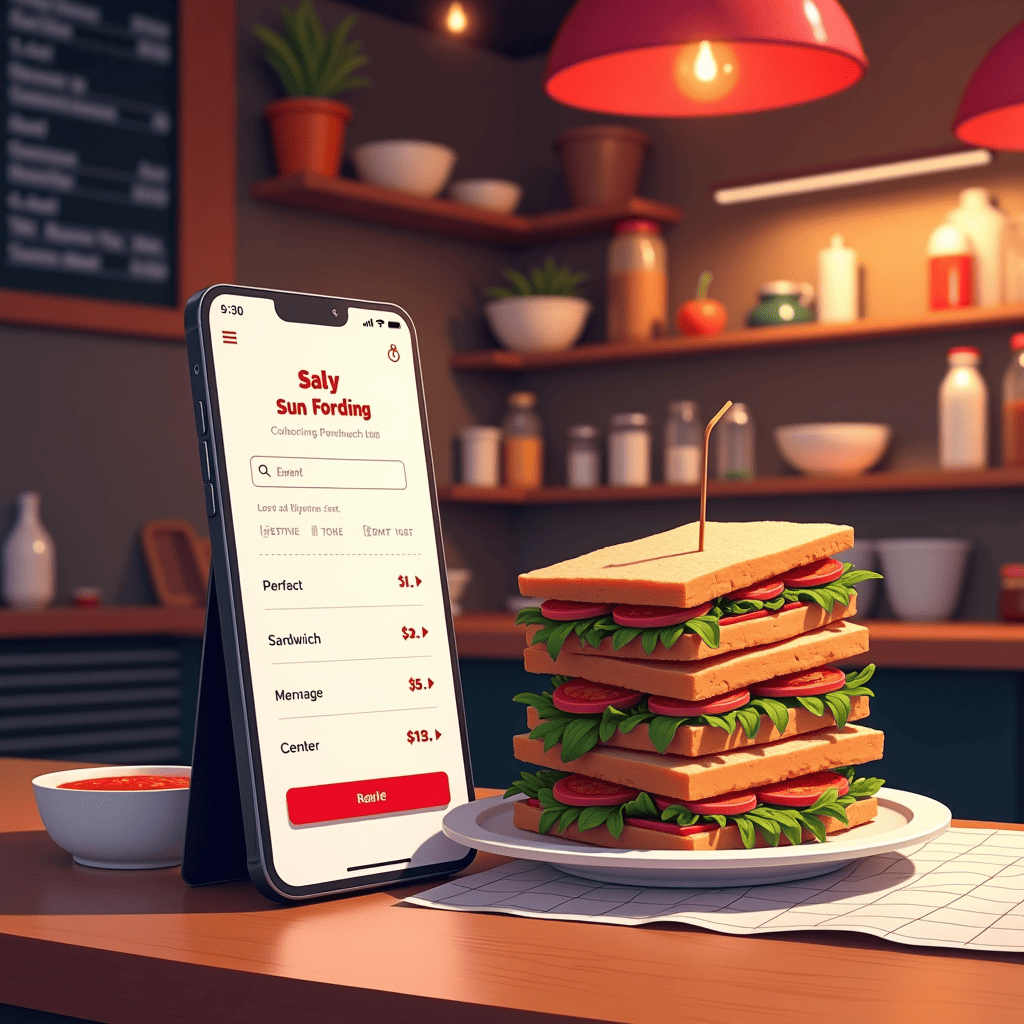
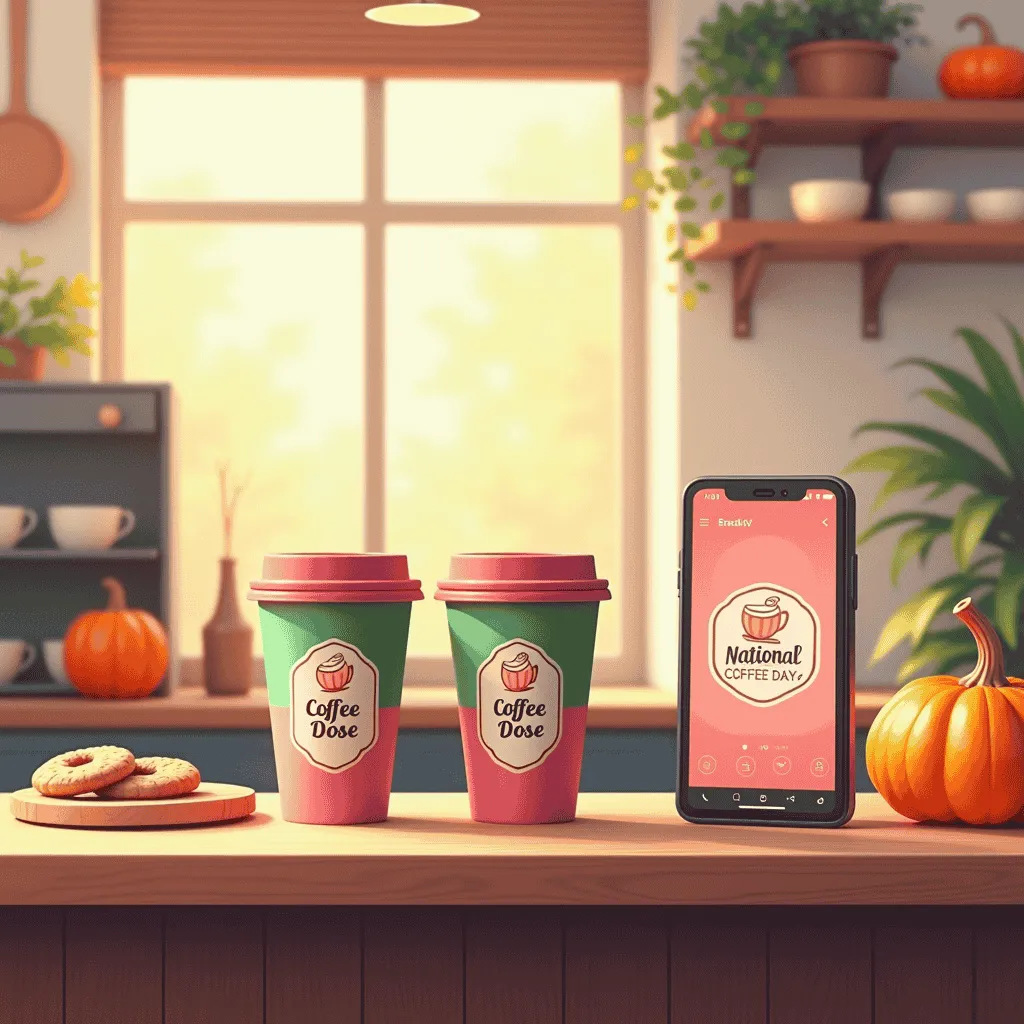
As the brand has grown, this way of thinking has extended into how customers place an order online or check rewards. Through their branded app built with Per Diem, the experience follows the same tone and visual direction. The layout, the flow, the way items appear, even the wording used across it all, feel consistent with what customers see in store.
It does not come across as a separate system. It feels like a continuation of the brand.
That level of control makes a difference. Colors, icons, item displays, and messaging can all reflect the same identity customers already recognize. New ideas can be introduced without breaking the overall feel. Promotions sit naturally within the app experience. Loyalty feels aligned with how the brand wants to engage.
Many businesses separate product, space, and customer experience into different layers. Coffee Dose keeps them connected. That connection is what allows the brand to evolve while still feeling clear and recognizable.
Customize your entire ordering and loyalty experience to match your brand. Sign up today.
What Coffee Dose’s Growth Teaches About Building a Brand That Lasts
Moving from one store to two is one of the hardest transitions. The first location is personal. The second introduces complexity.
Coffee Dose offers a few clear insights here:
- Do not rush to copy your first store exactly. Think about how the next space can add something new
- Keep your core voice strong so customers still recognize your brand across every touchpoint, including your app
- Make decisions based on long term identity, not short term convenience
The second location is where many brands either build momentum or lose direction. A clear sense of who you are, both in-store and in how customers order and engage, makes that step easier to navigate.

.svg)
.svg)

.png)

.png)
.png)
.avif)
.avif)
.avif)





.avif)



.avif)