



















Technology
How Dutch Bros Turned Its Loyalty Program Into a Transaction Engine
May 11, 2026
TLDR
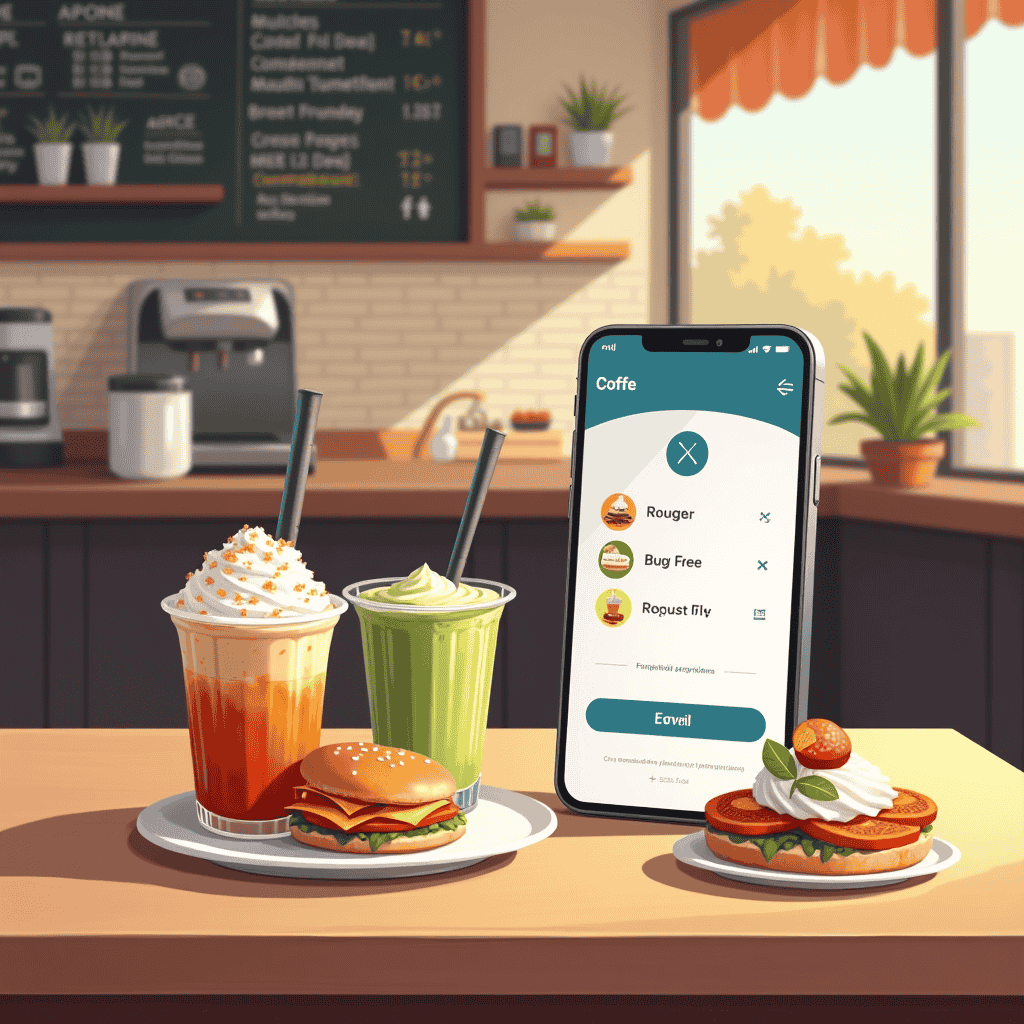
Restaurant Dive recently reported that Dutch Bros rewards members now account for over 70% of the company’s sales. At the same time, the drive-thru coffee chain is seeing stronger mobile ordering adoption, rising breakfast demand, and steady traffic from seasonal drink launches. None of this is happening by accident. Dutch Bros is building a system where loyalty, mobile ordering, and marketing all work together to increase visit frequency. That shift says a lot about where restaurant loyalty programs are heading in 2026. The strongest restaurant apps are no longer focused on handing out points after a purchase. They are becoming daily touchpoints that keep customers connected to a brand long after they leave the counter.
 dutchbroscoffee


37,294 likes
mystical magical drinks have arrived ✨📖🔮☀️ experience our new ✨Myst Energy Refresher™✨ along with returning summer faves! *electrolytes from magnesium, plant powered energy from green coffee beans, antioxidants from vitamin C & less than 100 calories in a medium
View on Instagram
Dutch Bros Is Using Loyalty to Shape Customer Habits
The biggest takeaway from Dutch Bros’ recent growth is not the rewards program itself. It is the behavior behind it.
When over 74% of sales come from loyalty members, it usually means customers are returning often, ordering through the app, and paying attention to promotions. The rewards system becomes part of their routine. Customers stop thinking about it as a separate feature and start treating it like the easiest way to order.
That convenience matters. A customer who already has saved payment details, favorite drinks, and rewards points inside an app has fewer reasons to go somewhere else. Ordering becomes quick and familiar. Over time, that consistency turns into habit.
Dutch Bros also shared that mobile ordering has increased customer frequency, especially in newer markets. That is an important detail because it shows how digital ordering changes customer behavior early. Once people become comfortable ordering ahead, skipping part of the line, and collecting rewards in the same experience, repeat visits become easier to maintain.
For restaurants, this creates a different way of thinking about loyalty. Instead of asking “How do we reward customers?” operators are now asking “How do we make it easier for customers to come back again tomorrow?”
Mobile Ordering Is Quietly Changing Restaurant Traffic
For years, restaurant apps were treated like convenience tools. Customers could place an order ahead, collect points, and move on. That approach is changing quickly.
Dutch Bros is showing how mobile ordering can directly support transaction growth during busy hours. According to company leadership, mobile orders help reduce friction in the ordering process and improve throughput at high traffic times.
That matters because speed affects customer decisions more than many operators realize.
Long wait times can push people away during morning rushes. Even a strong brand can lose transactions when ordering feels slow or crowded. Mobile ordering helps remove part of that pressure by moving the ordering process outside the line itself.
At Dutch Bros, many mobile customers are using walk-up pickup instead of waiting fully through the drive thru. That creates a smoother flow for both staff and guests. The system handles orders faster while customers spend less time waiting.
The operational side of this is important.
Restaurant apps are often discussed from a marketing perspective, but ordering infrastructure can affect revenue too. Faster handoff times can support higher order volume during peak periods. Better pickup experiences can also improve customer satisfaction without adding more labor.
This is one reason large restaurant brands continue investing heavily in first party ordering systems. Starbucks recently reported that mobile orders represented nearly 30% of company-operated transactions in the United States. Digital ordering has become part of how modern restaurant traffic works, especially during breakfast and lunch hours.
For independent operators, the lesson is simple. Mobile ordering works best when it removes small moments of friction. Customers are far more likely to reorder when the process feels quick, familiar, and reliable.
Breakfast Creates Repeatable Traffic
Dutch Bros has also been expanding breakfast and food offerings across locations, and the early results appear strong. The company said food attachment rates came in higher than expected, while stores with expanded food offerings saw additional comparable sales growth.
That strategy connects closely to the customer's routine.
Coffee visits can sometimes be spontaneous. Breakfast behavior is usually more predictable. People often order from the same places during workdays because convenience matters in the morning. Once a restaurant becomes part of that schedule, repeat traffic becomes easier to maintain throughout the week.
This is why breakfast has become such an important focus across quick-service and coffee chains. It gives restaurants access to recurring daily visits instead of occasional purchases.
Food also changes the economics of an order.
A customer picking up a coffee alone behaves differently from someone ordering breakfast sandwiches, pastries, or bundled items alongside a drink. The visit becomes larger, and the restaurant captures a bigger share of the customer’s morning routine.
Dutch Bros appears to understand this shift clearly. The company is not only selling beverages. It is building stronger reasons for customers to return multiple times each week.
Another important factor is how breakfast pairs naturally with app ordering. Morning customers usually want speed and predictability. They want to know the order will be ready without slowing down their commute or work schedule. That makes mobile ordering especially valuable during breakfast hours, where even small time savings can influence repeat behavior.
Seasonal Campaigns Give Customers a Reason to Return
One reason Dutch Bros continues seeing strong engagement is its steady stream of limited-time drinks and seasonal launches. The company has built a menu strategy that keeps customers curious throughout the year instead of relying on the same ordering patterns every month.
That approach works particularly well with loyalty apps.
When a restaurant launches a seasonal item through its app, the promotion reaches customers instantly through push notifications and rewards campaigns. Customers do not need to discover the product through outside advertising alone. The brand already has a direct communication channel sitting on the customer’s phone.
This creates faster momentum around launches.
A new drink or flavor can quickly turn into a repeat purchase driver because customers feel urgency around trying it before it disappears. Seasonal campaigns also create conversation online, especially among younger customers who already treat food and beverage launches as social content.
Dutch Bros has leaned heavily into this behavior with colorful drinks, energy-based menu items, and rotating flavors that encourage repeat visits throughout the year.
The important part here is consistency.
Restaurants often think loyalty means offering discounts every week. Dutch Bros shows that customers also respond strongly to exclusivity, limited availability, and new experiences. The app becomes a place where customers stay updated on what is happening next.
That keeps engagement active even between purchases.
For operators, this matters because inactive loyalty programs lose value quickly. Customers stop opening apps when nothing changes. Seasonal campaigns help maintain attention without constantly reducing prices.
Restaurants are using Olivia to launch campaigns, promote seasonal specials, and keep customers coming back more often. Start using Olivia for smarter restaurant marketing.
Loyalty Programs Are Starting to Run the Entire Customer Journey
The restaurant industry used to separate loyalty, ordering, and marketing into different systems. Customers would order in one place, earn rewards somewhere else, and receive promotions through disconnected channels.
That setup no longer works well in a mobile-first environment.
Brands like Dutch Bros are moving toward connected systems where rewards, campaigns, payments, ordering, and customer data all sit inside the same experience. Each part supports the next step in the customer journey.
A customer sees a seasonal drink notification, opens the app, places an order ahead, earns rewards from the purchase, and receives another offer later based on past activity. The process feels natural because everything happens inside one flow.
This is why restaurant loyalty programs are becoming transaction engines instead of simple retention tools.
The goal is no longer limited to rewarding existing purchases. The system itself helps generate future visits by making ordering easier, faster, and more familiar every time.
Large restaurant chains are investing heavily in this model because first party customer relationships have become increasingly valuable. Restaurants want direct access to guest behavior, order history, campaign performance, and purchasing trends instead of depending entirely on third-party platforms.
That information helps operators make smarter decisions around menu launches, peak ordering times, and customer engagement strategies.
It also creates stronger long-term customer relationships because restaurants control the experience directly.
What Independent Restaurants Can Take From This
Dutch Bros may be operating at a national level, but the ideas behind its growth are surprisingly practical.
Customers return more often when ordering feels easy. They pay attention when seasonal items feel timely and well-promoted. They build habits around restaurants that fit naturally into their daily routine.
That applies to local coffee shops and regional restaurant groups too.
A simple app experience, faster pickup, relevant offers, and consistent communication can go a long way in building repeat traffic over time. Restaurants do not need dozens of locations to benefit from that.
The bigger takeaway from Dutch Bros is that loyalty programs are starting to influence the entire ordering cycle. Customers are not opening restaurant apps only to redeem points anymore. They are checking seasonal launches, ordering ahead on busy mornings, responding to notifications, and building routines around convenience. Starbucks has seen the same shift, with nearly 60% of company operated U.S. revenue now tied to Starbucks Rewards. Loyalty programs are slowly becoming the system that drives repeat traffic throughout the week.
As restaurant apps continue evolving into transaction engines, operators that build direct customer relationships will have a stronger advantage heading into the next few years.
Book a demo to see how Per Diem helps restaurants launch branded ordering, loyalty, and smarter marketing tools with Square integration.