






















Business
How to Increase Repeat Orders for Restaurants: 10 Proven Strategies
May 13, 2026
TLDR
Getting a customer to place one order is hard. Getting them to come back again is even harder. Many restaurants spend heavily on ads, discounts, and delivery platforms, but the real profit comes from customers who already know your food, trust your service, and order regularly. Repeat customers usually spend 67% more, order faster, and need less convincing. That is why strong brands focus on keeping people engaged after the first purchase instead of chasing new traffic every day. A smooth ordering experience, smart communication, and small details that make customers feel remembered can turn occasional buyers into regulars. This guide breaks down practical ways restaurants can increase repeat orders using simple systems that work in real situations, especially through mobile ordering and direct customer engagement.
Why Repeat Orders Matter More Than New Customers
Many restaurant owners focus on bringing in new people every week. That approach helps with visibility, but it can become expensive very quickly. Paid ads, food delivery commissions, and promotions often reduce margins. Returning customers create a healthier business because they already understand your menu and ordering process.
Regular guests also tend to try new items more confidently. They are familiar with your quality, which makes upselling easier during future visits. Over time, these customers help create stable revenue patterns that are easier to predict.
According to Bain & Company, increasing customer retention by 5% can raise profits by 95%. That idea applies strongly to restaurants because food businesses rely heavily on repeat habits and convenience.
Restaurants that build strong reorder behavior also gain another advantage. They collect valuable customer data that helps improve future marketing campaigns, menu planning, and promotions.
Make Reordering Feel Fast and Effortless
One major reason customers stop ordering is friction. If the process feels slow or confusing, people move on quickly. Convenience matters as much as food quality in digital ordering.
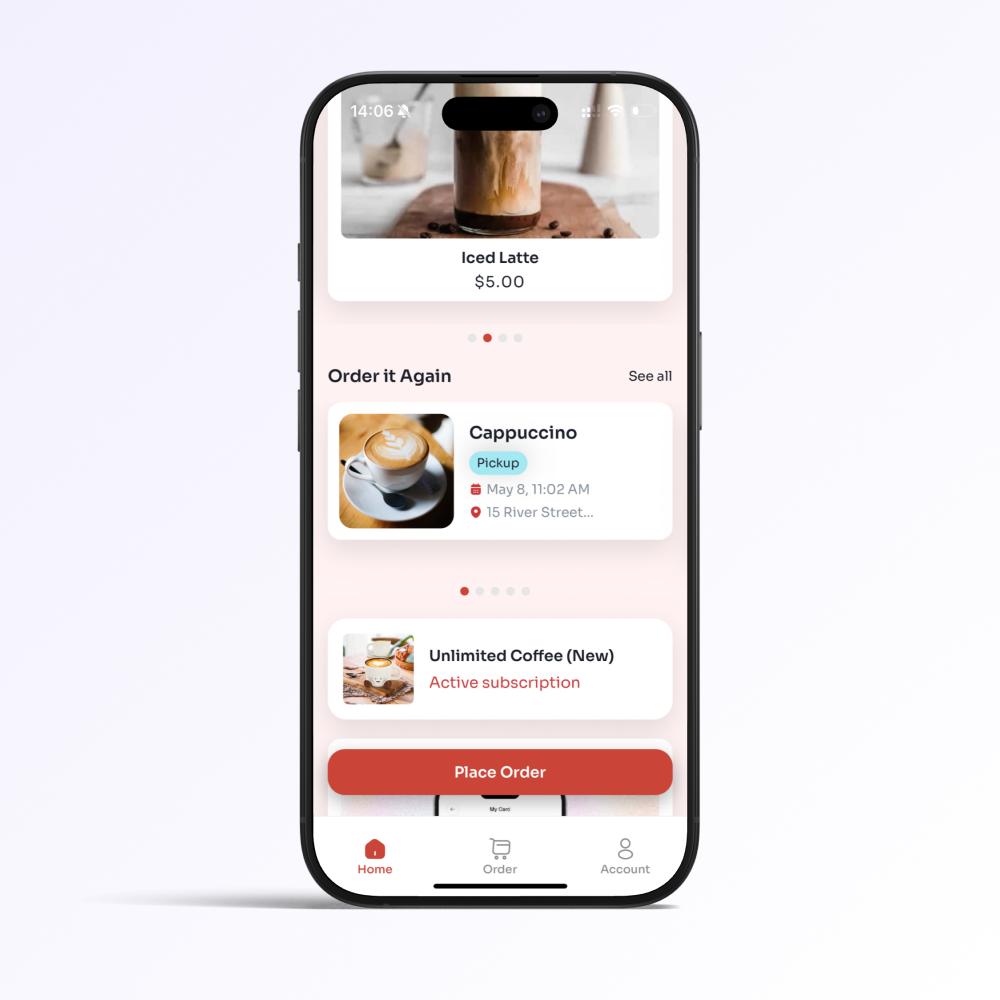
Save Past Orders
Customers reorder the same meals. Giving users a quick way to repeat a previous purchase removes unnecessary steps and improves the experience immediately.
A visible “Reorder” button inside your app can increase repeat purchases because customers do not need to search through the menu again.
Reduce Checkout Steps
Long checkout flows create drop-offs. Keep the process simple:
- Fewer form fields
- Faster payment methods like Apple Pay, Store credit, or Google Pay
- Clear cart summaries
- Easy address selection
People ordering food are usually hungry, busy, or distracted. Simplicity wins.
Improve Mobile Navigation
Most orders now happen on phones. Menus should load quickly and remain easy to browse without endless scrolling.
Good mobile experiences include:
- Clean category layouts
- Clear food images
- Simple customization options
- Readable text sizes
A frustrating app experience can quietly reduce future orders even if the food itself is excellent.
Build a Loyalty Program Customers Actually Care About
Many restaurants launch reward programs that feel forgettable. Generic systems rarely create excitement. Customers return more often when rewards feel achievable and useful.
Focus on Simple Rewards
Complicated point systems confuse users. Instead, offer direct value.
Examples:
- Free drink after five orders
- Free dessert on birthdays
- Member-only combo deals
- Exclusive early access to specials
Customers should understand the benefit instantly.
Give Small Wins Early
People lose interest if rewards take too long to unlock. Early incentives create momentum and encourage another purchase sooner.
For example:
- First reward after the second order
- Discount after app signup
- Free side item during the first month
Quick positive experiences increase the chances of long-term retention.
Keep Loyalty Inside Your Ordering App
Third-party platforms control customer relationships. A branded app gives restaurants more ownership over communication and customer behavior.
This is where platforms like Per Diem help restaurants create direct digital relationships through loyalty tools, ordering systems, and customer engagement features without relying entirely on delivery marketplaces.
Use Personalized Offers Instead of Generic Discounts
Blanket discounts reduce profits and often attract one-time bargain hunters. Personalized promotions perform better because they feel relevant.
Customers respond more positively when offers connect to their habits.
Recommend Based on Previous Orders
If someone regularly orders burgers, sending a pasta promotion may not work well. Instead:
- Suggest similar items
- Offer upgrades related to favorite meals
- Highlight matching add-ons
Personalized recommendations feel more natural and useful.
Per Diem’s integration with Square customer groups helps you create personalized customer segments for promotions. Sign up to explore now.
Send Time-Based Promotions
Timing changes customer behavior significantly.
Examples:
- Lunch reminders at noon
- Coffee offers during mornings
- Weekend family meal bundles on Fridays
These campaigns feel less random and more connected to real routines.
Celebrate Customer Milestones
Small recognition creates an emotional connection.
Ideas include:
- Birthday rewards
- Anniversary discounts
- “Thanks for your 10th order” offers
Customers remember restaurants that make interactions feel personal.
Improve Food Consistency Across Every Order
Great marketing may bring customers back once. Consistency keeps them coming regularly.
People reorder from restaurants they trust. One poor experience can break that habit quickly.
Keep Preparation Standards Stable
Customers expect the same taste every time they order a favorite meal. Large differences in portion size, seasoning, or presentation create disappointment.
Strong kitchen systems help maintain reliability during busy hours.
Pay Attention to Packaging
Delivery quality matters almost as much as dine-in quality now.
Poor packaging can lead to:
- Spilled drinks
- Soggy food
- Cold meals
- Damaged presentation
Secure packaging protects the customer experience during transport.
Reduce Order Mistakes
Missing items frustrate customers immediately. Even small errors reduce trust.
Restaurants can lower mistakes through:
- Double-check systems
- Clear kitchen communication
- Organized pickup stations
- Accurate digital tickets
Reliable execution increases customer confidence over time.
Create Limited-Time Offers That Feel Worth Trying
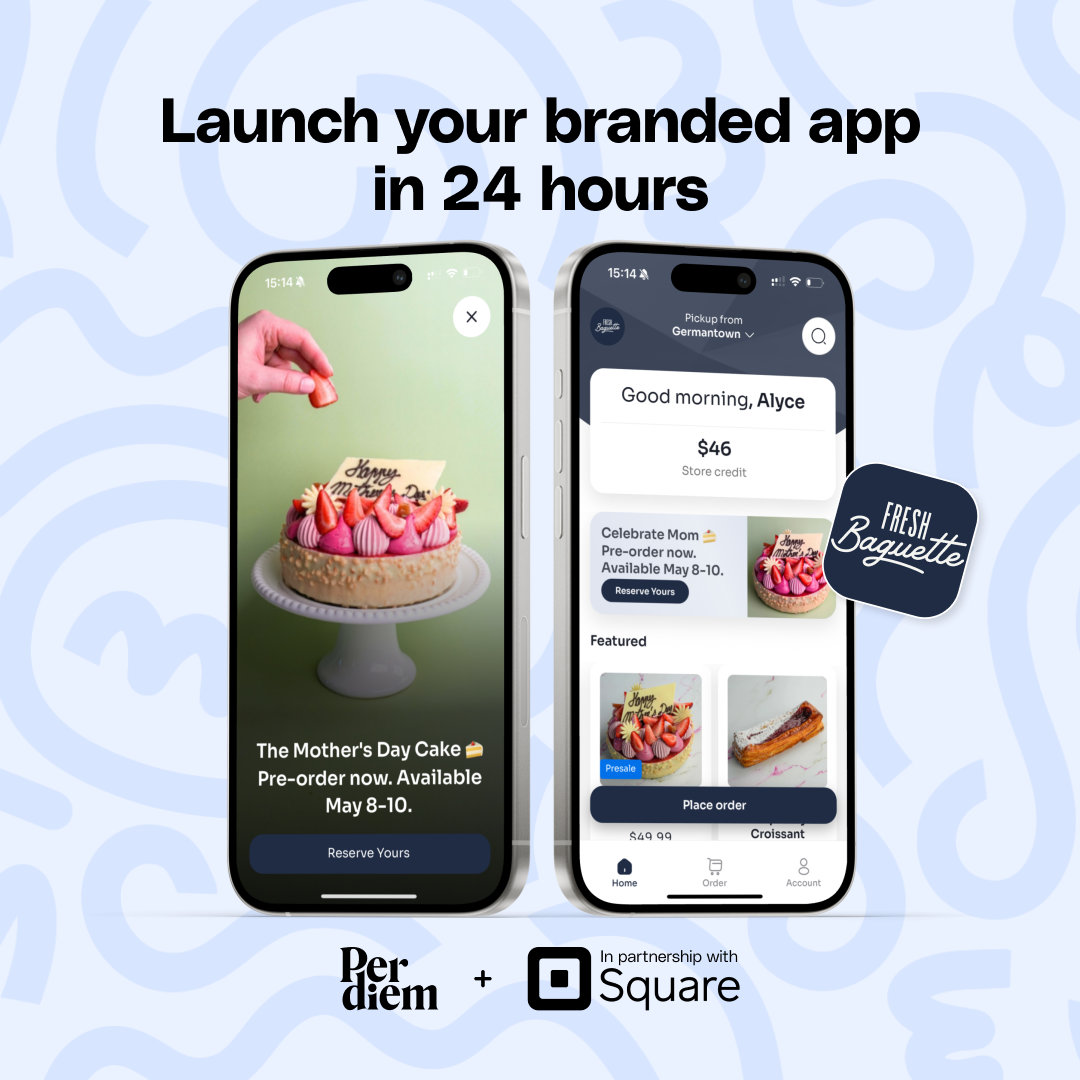
Customers enjoy variety, but many restaurants repeat the same promotions constantly. Limited-time items create curiosity and urgency when done properly.
Seasonal offers can also encourage inactive customers to return.
Introduce Exclusive Menu Items
Temporary dishes create excitement without permanently changing the full menu.
Popular examples include:
- Seasonal drinks
- Holiday desserts
- Local flavor specials
- Chef-inspired combinations
Fresh experiences give customers another reason to place a new order.
Use App-Only Deals
Exclusive app offers encourage direct ordering behavior.
This can include:
- Early access items
- Members-only bundles
- Flash discounts
- Secret menu products
Customers feel rewarded for staying connected directly with your restaurant.
Avoid Constant Discounts
Heavy discounting trains customers to wait for deals. Instead, focus on value and experience.
Good offers should feel special, not permanent.
Create a Summer-special menu for your online ordering. Get started.
Use SMS and Push Notifications Carefully
Customers ignore messages that feel repetitive or irrelevant. Restaurants lose engagement by sending too many alerts without a clear reason.
Good communication should feel timely and useful instead of aggressive.
Send Fewer but Smarter Messages
Every message should answer one simple question for the customer: why should they care right now?
Strong examples include:
- A reminder before lunch hours
- A popular item returning for the weekend
- A limited combo during slow periods
- A reward about to expire
Short and clear messages usually perform better than long promotional texts.
Bring Back Inactive Customers
Some customers stop ordering quietly. That does not always mean they disliked the experience. Many simply forget.
A simple re-engagement message can help:
- “We miss you. Here’s 15% off your next order.”
- “Your favorite meal is waiting.”
- “Order tonight and get free delivery.”
These campaigns work best when they target customers who have not ordered recently instead of sending the same message to everyone.
Avoid Overcommunication
Too many notifications can damage customer trust. If every message sounds urgent, people eventually stop paying attention.
Restaurants should focus on quality over quantity. One useful reminder often performs better than several random promotions.
Encourage Direct Ordering Instead of Marketplace Dependence
Delivery apps help restaurants reach new audiences, but they also reduce control over customer relationships. 15-30% commission fees and limited customer data make long-term retention harder.
Direct ordering creates stronger brand loyalty and better margins.
Give Customers a Reason to Order Directly
People need a clear benefit before changing habits.
Restaurants can encourage direct orders through:
- Lower pricing inside the branded app
- Loyalty rewards
- Faster pickup options
- Exclusive products
- Easier customization
Small advantages can shift customer behavior over time.
Build Familiarity Through Your Brand
When customers order through third-party platforms, they often remember the delivery app more than the restaurant itself.
A branded ordering experience helps restaurants stay recognizable through:
- Consistent visuals
- Personalized interactions
- Custom loyalty programs
- Direct communication
That familiarity increases repeat behavior naturally.
Use Customer Data to Improve Retention
Many restaurants collect useful customer information but never use it properly. Ordering behavior can reveal patterns that help improve marketing and customer experience decisions.
Even simple insights can make a difference.
Identify Your Most Valuable Customers
Some customers order far more frequently than others. Restaurants should recognize and reward these loyal guests.
You can segment customers based on:
- Order frequency
- Average spending
- Favorite menu items
- Preferred ordering times
This allows restaurants to create more targeted campaigns instead of generic promotions.
Track Popular Ordering Trends
Restaurant owners can learn a lot from customer habits.
Examples:
- Which meals perform best during weekends
- Which products increase cart value
- Which offers drive repeat visits
- Which time slots generate stronger engagement
These insights help improve menu strategy and promotional timing.
Study Drop-Off Patterns
If customers stop ordering after a certain point, there is usually a reason.
Common causes include:
- Slow delivery experiences
- Inconsistent food quality
- Complicated ordering systems
- Weak customer support
Finding these problems early helps restaurants protect long-term retention.
Use Olivia to track performance over time and create tailored campaigns for your customers.
Train Staff to Support the Customer Experience
Online systems matter, but human interaction still shapes how customers remember a restaurant.
Friendly service creates emotional loyalty that discounts alone cannot build.
Improve Pickup Experiences
Pickup orders are often quick interactions, but they still influence future behavior.
Customers appreciate:
- Fast handoffs
- Organized counters
- Accurate packaging
- Friendly greetings
Small moments affect customer perception more than many restaurants realize.
Handle Complaints Quickly
Mistakes happen in every restaurant. The response usually matters more than the mistake itself.
Good recovery efforts include:
- Fast replies
- Clear communication
- Refunds or credits when necessary
- Respectful interactions
Customers often return after a problem if the restaurant handles the situation professionally.
Measure the Right Retention Metrics
Restaurants cannot improve repeat ordering without tracking performance properly.
Looking only at total sales can hide customer behavior problems.
Repeat Purchase Rate
This measures how many customers come back after their first order. A rising repeat purchase rate usually signals stronger customer satisfaction.
Customer Lifetime Value
This helps restaurants understand how much revenue one customer generates over time.
High lifetime value often comes from:
- Frequent ordering
- Strong loyalty engagement
- Higher average spending
Average Order Frequency
This metric shows how often customers place orders within a certain period.
Tracking frequency helps restaurants identify:
- Loyal customer groups
- Seasonal behavior shifts
- Campaign effectiveness
Final Thoughts
Restaurants that grow steadily usually do not depend on constant discounts or viral marketing. They create experiences that feel easy, reliable, and worth returning to. Customers reorder when the process feels convenient, the food stays consistent, and communication feels personal instead of forced.
Strong retention comes from many small decisions working together. Faster ordering, useful rewards, better packaging, direct engagement, and thoughtful timing all shape customer habits over time.
Restaurants that invest in long-term customer relationships often build healthier revenue and stronger brand loyalty than businesses focused only on short-term traffic spikes.
Book a demo today to see how Per Diem can help your restaurant increase repeat orders and build stronger customer loyalty.
FAQs
How often should restaurants send promotional messages to customers?
Restaurants should focus on quality instead of quantity. One or two relevant messages per week usually perform better than sending daily promotions that customers may ignore.
Are restaurant loyalty programs effective for small businesses?
Yes. Even simple loyalty programs can encourage repeat visits and increase customer retention when rewards feel useful and easy to redeem.
What is a good repeat customer rate for restaurants?
A healthy repeat customer rate for restaurants often falls between 30% and 40% over three months, depending on the restaurant type, pricing, and customer experience.
How can restaurant apps improve repeat orders?
Restaurant apps make reordering easier through saved orders, loyalty rewards, personalized offers, and direct communication with customers.