.svg)


TLDR
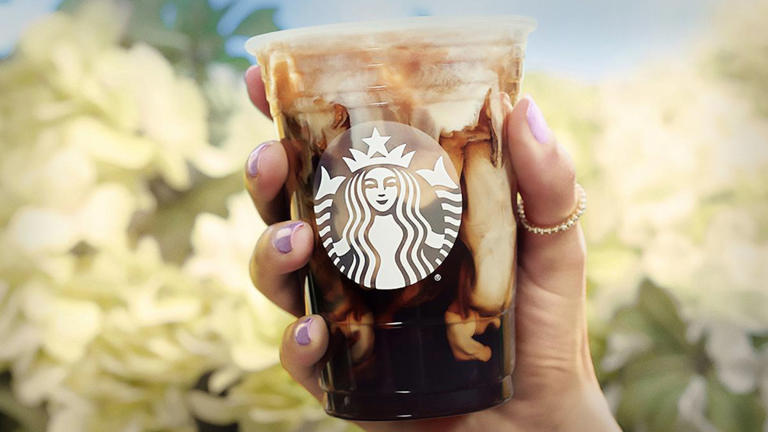
Coffee prices are climbing, milk costs fluctuate, labor is tighter, and customers are thinking twice before every extra purchase. Many café owners feel stuck between raising prices and protecting traffic. Yet at the same time, Starbucks, the world's largest coffee brand, is doubling down on loyalty rather than pulling back.
When a company with roughly 35 million active rewards members in the United States decides to relaunch and test a new tiered structure inside its app, it sends a clear signal. Even with strong brand power and scale, it still sees loyalty as a core profit engine. Rising green coffee costs, supply chain pressure, and shifting consumer habits are not slowing that investment. They are accelerating it.
For independent coffee shops, this shift has a lesson. In an inflation-driven market, a well-designed loyalty program can protect revenue, increase visit frequency, and strengthen customer bonds without relying solely on price hikes.
The Main Types of Loyalty Programs for Coffee Shops
Not all loyalty models work the same way. Some focus on points. Some focus on prepaid value. Others reward spending with credit. Each has a different financial impact. The key is choosing a structure that fits your margins, traffic patterns, and customer behavior.
Below are three models that have proven effective across cafés of different sizes.
1. Points-Based Loyalty Programs
This is the format many people recognize. Customers earn points for every dollar spent and redeem those points for drinks, food, or perks. Starbucks helped popularize this digital version years ago, and today, many independent cafés run similar programs through their POS and branded apps.
A simple example might look like this:
• One point for every dollar spent
• A free drink at 100 points
• Bonus points for featured items
This system works because it creates visible progress. Every purchase moves the customer closer to something tangible. That forward motion matters during inflation. When customers feel stretched, earning value back softens the impact of higher menu prices.
Points-based programs also allow creative use cases beyond standard rewards:
Birthday offers
A free pastry or drink during a customer’s birthday week builds emotional connection and drives traffic during a specific window.
Slow day promotions
Extra points on Tuesdays or mid-afternoon hours can lift sales during quiet periods without permanently lowering prices.
New product launches
Double points on a seasonal drink can accelerate trial and help clear inventory faster.
The flexibility of this model gives café owners room to manage demand and protect margins.
2. Subscription-Based Loyalty Programs
Subscription programs operate differently. Instead of earning toward rewards, customers pay a recurring monthly fee in exchange for defined benefits.
For example:
• One free brewed coffee per day
• Ten percent off all menu items
• Early access to limited drinks
• Exclusive member events
In a volatile cost environment, subscriptions offer one powerful advantage. Predictable revenue. Even if foot traffic varies week to week, recurring payments create baseline cash flow.
They also influence behavior. When someone has already paid for benefits, they are more likely to visit often to get full value. That can increase attachment to your brand and reduce the temptation to try competitors.
Subscriptions require careful math. You must estimate average redemption rates and protect gross profit. When structured well, they can strengthen long-term stability and deepen customer loyalty.
3. Store Credit and Cashback Style Rewards
Another effective structure rewards customers with credit for spending. Instead of collecting points toward a free item, they earn a percentage back as stored value.
Examples include:
• Earn €1 in credit for every €10 spent
• Receive 5 percent back on each purchase
• Get $5 in app credit after spending $50
This model feels immediate and transparent. Customers see value building in real time. It also encourages future visits because the credit must be redeemed in-store or through the café’s app.
From a business perspective, store credit keeps money within your ecosystem. Unlike third-party discounting platforms, you retain control over how and when that credit is used. You can even set expiration windows to drive return traffic within a defined timeframe.
During inflation, this structure communicates fairness. Customers feel acknowledged for continued support while the café avoids heavy discounting.
Here’s how offering store credits lets coffee shops run like their own banks.
Why Loyalty Programs Matter for Local Coffee Shops Today
It is easy to assume loyalty programs are only for large chains with massive marketing budgets. That idea no longer holds. Modern customers, especially younger demographics, are less attached to brands out of habit. They look for convenience, value, and digital ease.
For neighborhood cafés, a structured rewards system can level the playing field.
Boosting Repeat Visits
A clear incentive system turns isolated purchases into ongoing habits. When customers see that each transaction moves them closer to a benefit, they have a reason to return instead of drifting to the shop across the street.
Over time, those repeat visits create stable demand even as menu prices adjust.
Increasing Average Spend Per Visit
When rewards scale with spending, customers often add an extra item to reach the next milestone. That could be a pastry, an alternative milk upgrade, or a larger size. Small increments across hundreds of transactions significantly lift average ticket value.
With ingredient and labor expenses rising, higher per-visit revenue supports margin protection without abrupt price changes.
Strengthening Customer Relationships
A strong loyalty system creates structure around appreciation. Instead of random discounts, customers receive consistent recognition tied to their behavior. That predictability builds trust.
When someone earns a reward after steady visits, it feels deserved. When they receive a personalized offer for their favorite drink, it feels thoughtful. Over time, that steady interaction shapes familiarity. Customers begin to associate your café with reliability and care, not just caffeine.
In a market where consumers switch brands quickly, emotional connection becomes a real competitive edge.
Reducing Customer Churn
Attracting new guests through ads and promotions costs money. Keeping existing ones is often far more efficient. Loyalty members are less likely to disappear because they have value stored in your system, progress toward rewards, or active subscriptions.
If someone has accumulated points or app credit, they are less inclined to try another shop. That simple psychological anchor improves retention rates.
For local cafés with limited marketing budgets, lowering churn can protect revenue more effectively than chasing constant acquisition.
Providing Valuable Customer Data
Online loyalty programs also generate insight. You can see what items sell most often, which hours are busiest, and which customers visit weekly versus monthly.
That information supports smarter decisions:
• Adjust staffing based on real traffic patterns
• Promote underperforming items with targeted rewards
• Launch new drinks to customers who match specific buying habits
Instead of guessing, you operate with clarity. In a period where margins are tighter, better decisions reduce waste and improve profitability.
.png)
Practical Tips for Running a Successful Loyalty Program
A loyalty strategy only works when executed with intention. Poor structure can hurt margins or confuse customers. Below are practical ways to design a program that delivers measurable results.
Offer Meaningful Rewards
Rewards must feel worthwhile. A minor discount rarely changes behavior. A free drink, a substantial percentage off, or meaningful store credit creates stronger motivation.
Customers are calculating value more carefully today. Make the exchange obvious and attractive.
Use Slow Days Strategically
Traffic often fluctuates across the week. You can direct demand by offering bonus points or exclusive deals on traditionally quiet days.
For example:
• Double points on Mondays
• Extra credit for afternoon purchases
• Limited-time offers during slower hours
This approach boosts revenue without permanently lowering prices across the board.
Combine Points With Emotional Incentives
Transactional rewards alone can feel mechanical. Add recognition to the mix.
Ideas include:
• Early access to seasonal drinks
• Special offers for first-time app orders
• Member-only tastings
• Birthday week rewards
These gestures create belonging and make customers feel seen.
Use Customer Data to Personalize Offers
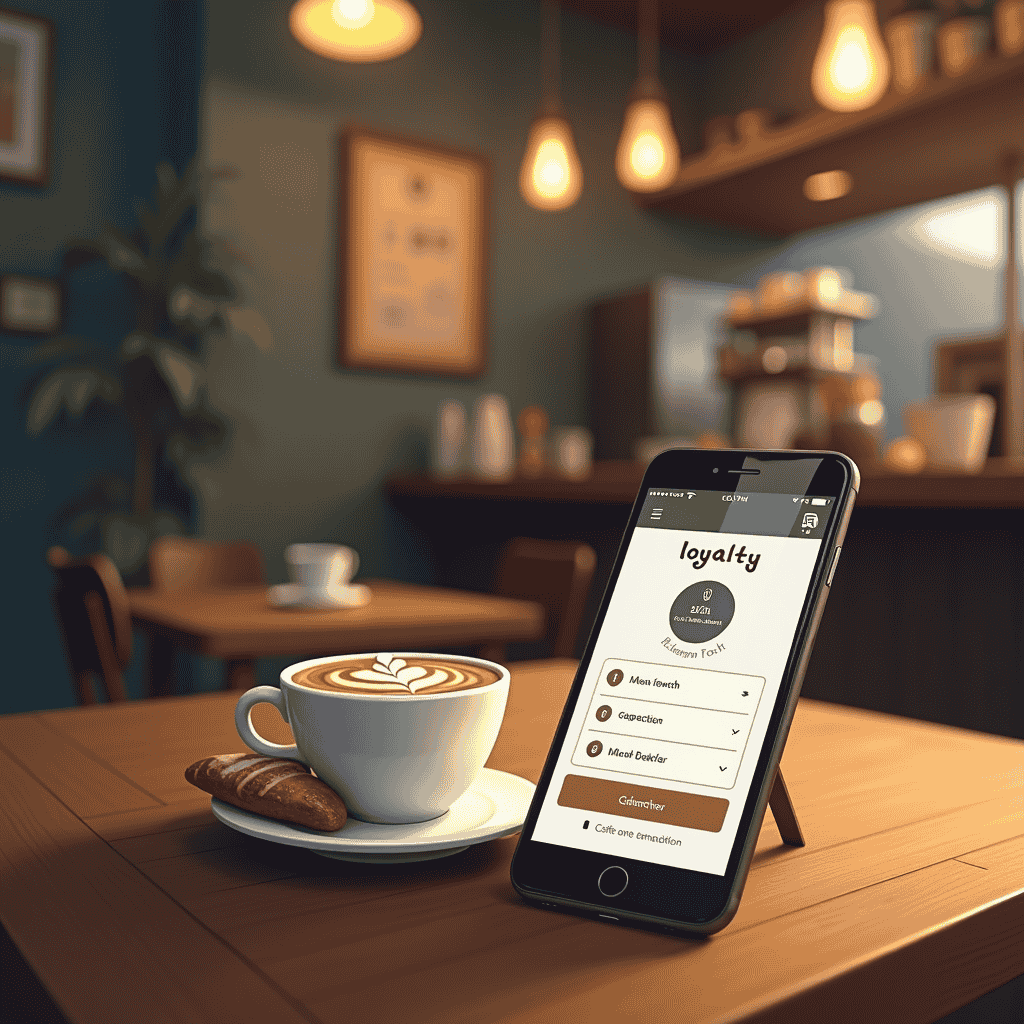
If your café runs on Square, customer groups allow you to segment guests based on visit frequency, spending habits, or purchase history. When integrated with a branded ordering app like Per Diem, you can send targeted rewards directly through the app.
For example:
• Offer bonus points to customers who have not visited in 30 days
• Reward high spenders with exclusive perks
• Send a personalized discount for a favorite drink
Targeted rewards perform better than generic promotions because they align with actual behavior.
Personalization also mirrors the online experience customers expect from larger brands. Independent cafés can now deliver that same convenience without enterprise-level complexity.
Final Thoughts
Inflation pressures are unlikely to disappear overnight. Ingredient costs, rent, and wages will continue to shift. Raising prices alone cannot be the only response.
A structured loyalty program provides a smarter path. It strengthens retention, encourages higher spending, supports better forecasting, and deepens emotional connection with your community.
Large chains are investing heavily in their rewards ecosystems for a reason. The model works. Local coffee shops can apply the same principles with tools built for independent operators.
Book a demo today and explore how your coffee shop can launch a Starbucks-level loyalty experience tailored to your business.
FAQs
1. How do I choose the right loyalty model for my café?
Look at your average ticket size and visit frequency. If customers visit often, points work well. If you have strong daily regulars, a subscription can create a steady income. If you want simplicity, store credit is easy to manage and explain.
2. Will a loyalty program hurt profit if customers redeem too many rewards?
When designed carefully, redemption rates are predictable. By analyzing average spend and visit frequency, you can set reward thresholds that protect profitability while still delivering value.
3. Is a subscription model risky for a local coffee shop?
It depends on structure. If benefits are clearly defined and pricing reflects expected usage, subscriptions can generate stable recurring revenue and increase visit frequency. Proper planning and tracking are essential before launch.

.svg)
.svg)

.png)

.png)
.png)

.avif)

.avif)
.avif)




.avif)


.avif)