.svg)


TLDR
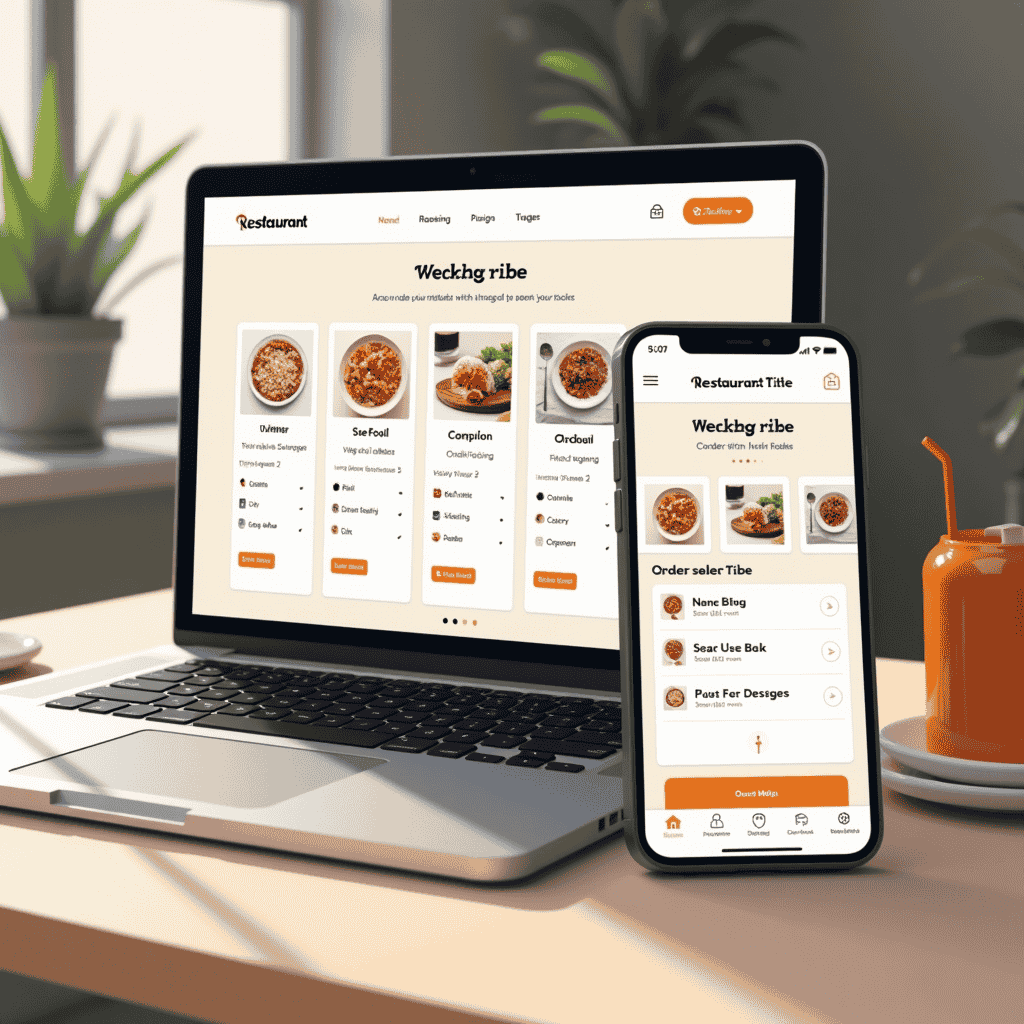
Most diners check a restaurant’s website before they decide where to order. A survey from MGH found that 77% of customers visit a restaurant’s website before they dine in or order out. That first visit shapes their decision. If the experience feels unclear or slow, they move on quickly. For restaurants using Square, orders and payments are already handled well. The next step is making sure the website supports that experience and helps customers move from browsing to ordering without any friction.
If you’re using Square POS, here are the key things to look for when choosing a website builder.
.png)
A Website Should Reflect Your Square Setup Without Extra Work
Running a restaurant already means constant updates. Menu changes, pricing tweaks, items going out of stock. None of this should require extra effort on a separate website.
Keep Your Menu Accurate Without Rebuilding It
When your menu lives in Square, it should stay consistent everywhere. Many restaurant teams still find themselves updating the same item in multiple places, which leads to mistakes and wasted time.
What restaurant owners actually want is simple:
- One source of truth for menu and pricing
- No manual syncing between tools
- Instant updates that reflect everywhere customers see the menu
When a website pulls directly from your Square setup, it removes this layer of work completely. What changes in your POS shows up online without delay.
Reduce Operational Noise
Every extra system adds small friction. Logging into different dashboards, checking if updates went through, and fixing mismatches. These things seem minor, but they add up during a busy week.
A good website setup quietly removes that noise so your team can focus on service, not systems.
A Website Should Guide Customers Straight to an Order
Most visitors do not land on your website to explore. They come with intent. They want to check the menu, confirm details, and place an order quickly.
Make the Path to Order Obvious
A strong website does not make people think. It shows them exactly where to go next.
That means:
- Clear menu access as soon as the page loads
- Visible order buttons without scrolling too much
- Simple navigation that works on mobile screens
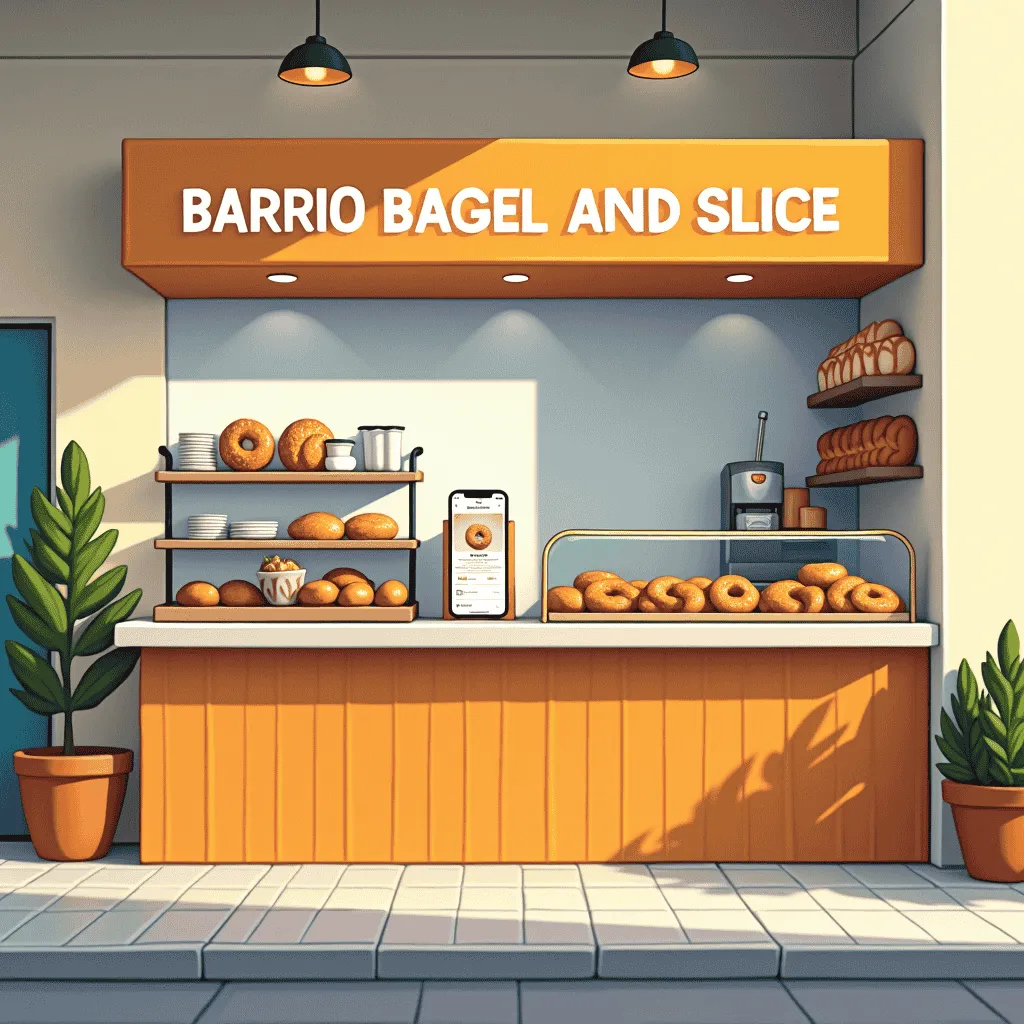
- Highlighted mobile app download buttons or a QR code
Every extra step increases the chance of a drop-off. A clean path keeps the experience smooth and predictable.
Keep Customers in One Flow
When customers are pushed from one page to another platform, the experience breaks. It creates hesitation and often leads to abandoned orders.
Restaurants today are moving toward a more connected flow where:
- Browsing and ordering happen in the same place
- Customers do not feel like they are switching systems
- The transition from menu to checkout feels natural
This is where having your website closely tied to your ordering system starts to matter.
A Website Should Feel Like Your Brand, Not a Template
Walk into a well-known restaurant, and you can feel the brand instantly. The same should happen online. Yet many restaurant websites still look identical, with the same layouts and predictable sections.
Design Should Match the In-Store Experience
Your website should carry the same identity that your customers already recognize.
Think about how brands like Nike structure their website. Clean layout, clear focus, and every section guides attention without confusion.
Now apply that to a restaurant.
A bold coffee shop should not look plain online.
A premium sushi brand should not feel like a generic template.
What restaurant owners look for:
- Visuals that match their space
- Messaging that feels natural to their brand
- A layout that highlights key actions like ordering
Flexibility Without Starting From Scratch
No one wants to design everything from scratch, but they also do not want to be stuck with fixed templates.
What works better now:
- Ability to take inspiration from sites they like
- Freedom to shape layout without complexity
- Design that adapts instead of forcing structure
For example:
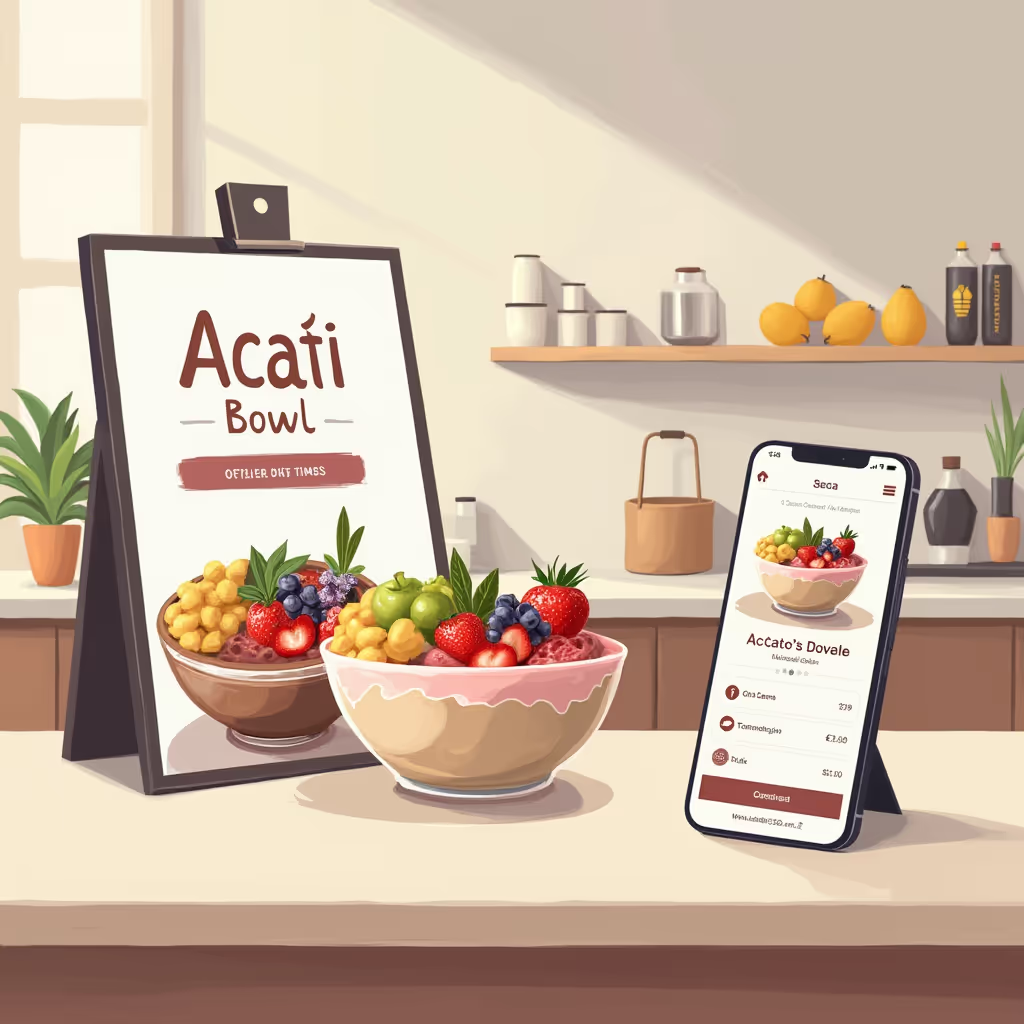
- A smoothie shop may want a bright, energetic layout
- A bakery may prefer something soft and minimal
- A multi-location brand may need a structured format for easy navigation
The goal is simple. The website should feel like your brand, not like a template someone else used.
Book a demo and see how easy it is to launch and manage your website in one place.
It Should Be Easy to Build and Even Easier to Maintain
Your staff does not have time to manage a complex website. The system should work in a way that feels natural, without needing outside help.
Quick Setup Without Technical Steps
Getting a website live should not take weeks. A guided setup that pulls from your existing Square data makes a big difference.
What makes this easier:
- Pre-filled menus and categories from your POS
- Simple steps that guide setup instead of leaving you guessing
- The ability to go live quickly without waiting on a developer
Per Diem website builder lets you describe the kind of website you want or share an example of your favorite website, and the system builds a layout around that direction. It removes the need to design from scratch while still giving control over the final look.
Simple Changes Without Breaking Anything
Once the site is live, updates should feel effortless.
Restaurant owners value:
- Editing hours, items, or content in minutes
- Turning features on or off without risk
- Confidence that changes will not affect ordering or payments
The goal is to make the website something you can manage in between shifts, not a separate project.
It Should Work for Single and Multi-Location Restaurants
As a restaurant grows, its needs change. A single location setup is very different from managing several stores.
Clear Structure for Each Location
Customers need to find the right location fast.
A good website supports this by:
- Showing all locations in one place
- Letting customers switch easily
- Displaying accurate hours and menus for each store
This becomes even more important when different locations have different offerings.
Central Control Without Losing Flexibility
For operators, managing multiple locations should not mean managing multiple websites.
What works better:
- One system to control all locations
- Shared structure with room for local updates
- Consistent experience across every store
This keeps things organized while still allowing each location to stay relevant to its audience.
Learn how to build a website that turns one-time visitors into regulars. Read the guide.
It Should Bring Everything Into One Place
Customers do not think in terms of systems. They just want a smooth experience from start to finish.
A strong website brings together:
- Menu browsing
- Ordering
- Location details
- Loyalty and repeat engagement
Instead of sending customers to different links, everything happens in one flow. This reduces confusion and keeps the experience clean.
For restaurant teams, it also simplifies operations. There is less switching between tools and fewer chances for something to go wrong.
This is where newer approaches are starting to stand out. Instead of using a separate website builder like WordPress and connecting multiple tools, Per Diem is bringing website creation directly into the same system that restaurants already use. That includes full control over design, easy activation or deactivation, and the ability to manage ordering and locations in one place.
Final Thoughts
Restaurants using Square already have a strong foundation. Payments, orders, and day-to-day operations are handled well. The opportunity now is to extend that same experience online.
A good website should not feel like an extra tool. It should feel like a natural part of your restaurant's operations.
When it stays in sync, clearly guides customers, reflects your brand, and remains easy to manage, it stops being just a website. It becomes part of the way you serve your customers every day.
Get started to build a branded website for your Square setup.
FAQs
1. Does a website builder affect local SEO for restaurants?
A website builder itself does not determine rankings, but a fast, mobile-friendly site with clear structure and updated content can support better visibility on Google.
2. Can I connect my domain to a website built alongside Square POS?
Yes, most modern website builders allow you to use your own custom domain so your brand stays consistent across search, social, and ordering.
3. How long does it take to launch a restaurant website?
With Per Diem, a basic website can go live in a few hours, especially when menus and content are already set up in your Square POS system.

.svg)
.svg)

.png)

.png)
.png)
.avif)
.avif)
.avif)




.avif)




.avif)