.svg)


TLDR
For anyone who thrives in the business of feeding people, catering can feel like a natural extension of the work you already do. It opens the door to larger orders, steady corporate demand, and higher ticket values that support long-term growth. Yet many restaurants enter this channel with pricing that was built for individual meals rather than group service. The result is a menu that looks appealing to customers but leaves little profit once food, labor, packaging, and delivery are factored in. If your restaurant is preparing to introduce catering pickup and delivery, a clear pricing method is the foundation that keeps the operation sustainable. This guide breaks down how to set prices that reflect true costs, align with market expectations, and support operational capacity from day one.
Core Cost Foundations for Pricing Your Catering Menu
Successful catering pricing starts with understanding every cost involved in producing large orders. This is not only about food cost. It is about building a complete picture of what your restaurant spends to prepare, pack, and hand off a catering order.
Build Your Pricing Model Around Real Cost Targets
Most restaurants launching catering aim for:
• 28 to 35 percent food cost
• 5 to 15 percent net margins
These ranges keep your pricing within a realistic and profitable zone while you learn how catering behaves in your kitchen. Early catering volume is unpredictable, so these targets give you a buffer as you refine recipes, portion sizes and packaging.
Use Actual Recipe Data and Inventory Tracking
Catering portions do not behave like single-plate portions. Proteins cook down, sides require larger batches and sauces reduce at a different rate. Your pricing must come from real recipe measurements, not guesswork.
Use this formula to track food cost accurately:
Beginning inventory + purchases – ending inventory
Divide by food sales
Multiply by 100
This approach gives you your true food cost percentage based on what you used, not what you planned. Update this weekly in the early stages of your catering program to catch portion or yield issues quickly.
Account for All Direct Costs in Every Catering Item
Direct costs are easy to overlook in catering because they add up quietly. Your pricing should include:
1. Ingredients purchased in bulk
Bulk pricing is helpful, but early catering volume may be too low to realize full savings. Build pricing using your current ingredient cost, not future discounts.
2. Labor for prep, batching and packing
Group orders require dedicated prep time for batching, labeling, staging and quality checks. Track how long a typical order takes and assign a labor dollar amount per order. Catering labor is rarely the same as dine-in labor and must be priced separately.
3. Packaging that holds temperature and travels well
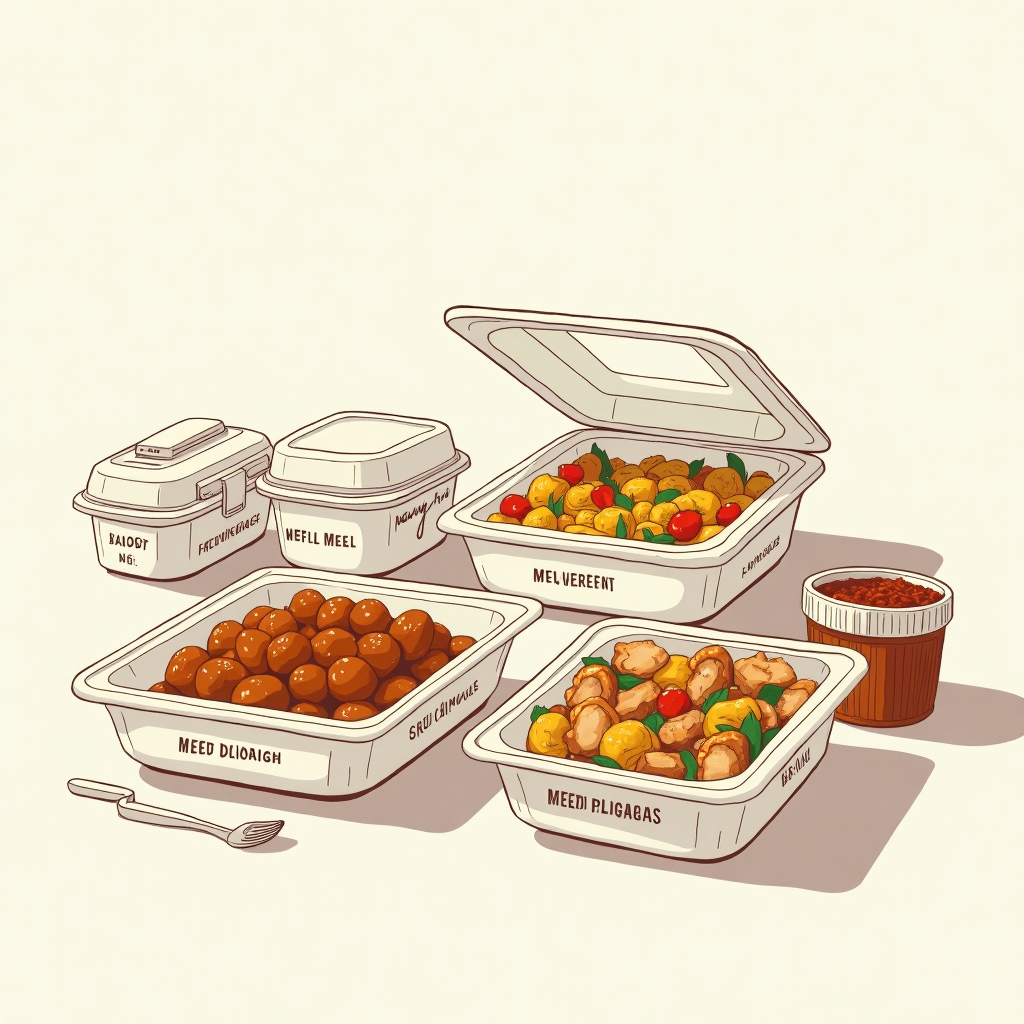
Trays, lids, serving utensils, disposable cutlery, boxes and labels can easily add USD 2 to USD 8 per person. High quality packaging improves customer experience and protects your food, so it must be included in menu pricing.
4. Overhead tied to catering operations
Catering uses equipment, utilities and storage space differently than regular service. A small overhead percentage protects your margin from these extra demands.
Indirect Costs That Influence Catering Profitability
Indirect costs matter just as much as direct costs. These are easy to miss, but they shape long term profitability.
Delivery Costs and Distance Structure
Even if your primary focus is pickup, many customers will request delivery. If delivery is priced too low, your restaurant absorbs fuel, staff time, vehicle strain and coordination costs.
A clear structure might include:
• A flat catering delivery fee in the USD 25 to USD 50 range
• A distance fee of USD 2 to USD 5 per mile outside your regular radius
Transparent pricing protects your margin and sets customer expectations from the start.
Insurance, Marketing and Administrative Expenses
Catering requires updated insurance coverage depending on transport, driver responsibility and order value. Include this cost in your catering budget.
Marketing also matters. Office catering relies on outreach through email, flyers, local partnerships and social posting. These are business expenses and should be supported by your pricing strategy.
Waste During Low Volume Periods
When you launch catering, you may buy in larger quantities but receive fewer orders in the first weeks. This creates waste that silently raises your real food cost. A small buffer in your pricing helps you cover this until your program gains consistency.
Establish Clear Minimum Order Requirements
Minimums protect your kitchen from underpriced small groups that drain labor and prep time. Many restaurants start with:
• USD 200 to USD 500 minimum order value
Minimums also guide customers toward building larger, more efficient orders that help you maintain profitability.
Market Research and Competitor Benchmarks for Catering Pricing
Your menu prices should reflect both your internal costs and the external market. Offices and group buyers have a clear range they expect to pay, and staying within that range helps your catering program gain traction early on.
Study Local Catering Price Ranges
Start by reviewing what similar restaurants in your area charge for group meals. Many markets land within these ranges:
• USD 10 to USD 25 per person for simple lunch style pickup and delivery
• USD 30 and above per person for premium or multi dish packages
These benchmarks help you understand what customers expect when they compare catering options side by side. If your prices fall far below this range, you risk eroding profit. If they sit far above it without a strong value proposition, you may face slow adoption.
Use Strategic Introductory Pricing
When launching catering, some restaurants choose to price 10 to 20 percent below competitors for the first few months. This can increase order volume, introduce your product to offices and build repeat business quickly.
This does not mean discounting heavily. It simply means starting in a competitive zone that drives awareness while your operations stabilize. Once your workflow is smooth and consistent, you can adjust pricing based on real data.
Align Portions and Packaging With Market Expectations
A competitive price is only effective if portions meet group expectations. Offices value consistency and simplicity. Ensure your tray sizes, serving utensils and portion guides match what buyers are familiar with from other providers. Clear portion descriptions, such as “feeds 10 to 12 people” or “serves 15” remove uncertainty and help buyers place confident orders.
Designing Catering Packages That Support Profit and Workflow
A strong catering menu has structure that helps customers choose quickly and helps your kitchen execute efficiently. Packages reduce decision fatigue for customers and create predictable prep patterns for staff.
Offer 3 to 5 Core Packages at Launch
Instead of offering your full restaurant menu in catering format, narrow your options to a small set of reliable group packages. These should be items your team can execute with accuracy at larger scale.
Common formats include:
• Protein combos
• Sandwich or wrap trays
• Rice or pasta-based builds
• Salad or side bundles
Fewer choices lead to smoother prep, better portion control, and more predictable costs.
Provide Clear Tiered Pricing Options
Tiered pricing helps customers match their budget without the need for custom quotes. Consider offering:
These tiers allow offices to self-select based on their budget while ensuring your restaurant maintains margin across all options.
Apply Psychological Pricing Where It Makes Sense
Small price adjustments like USD 24.99 instead of USD 25 can influence perceived value. This works especially well for packages or trays where buyers compare options quickly. Keep it subtle and consistent across your menu.
How to Use Promotions Without Hurting Your Catering Margin
Promotional pricing can help you fill slow days, attract new office accounts and increase order frequency. The key is to design promotions that boost revenue without destroying your margin.
Smart Ways to Use Discounts and Incentives
1. Limited-time online codes
Offer a simple incentive like 5 percent off or USD 25 off orders above USD 300 to encourage trial. Keep the promo window short so you control the impact.
2. Bundled value offerings
Instead of lowering prices, bundle high-demand items at a fixed group rate. For example, a lunch combo for 12 people at a packaged price provides value without steep discounting.
3. Loyalty rewards for repeat offices
Office coordinators appreciate predictable perks. A reward such as “every 5th order receives free sides” can increase retention while keeping core pricing intact.
Avoid Promotions That Undercut Profit
Do not offer percentage discounts across your entire catering menu unless you have verified that your food cost and labor cost can support it. A promotion that wipes out margin will not build sustainable volume.
Communicate All Offers Early and Clearly
If you adjust catering pricing or introduce promotions, communicate these changes across the channels customers already use:
• Email updates
• SMS alerts
• Push notifications
• Website banners
• Catering menu landing page updates
Customers trust restaurants that are transparent and consistent. While most office buyers plan, they respond quickly to reminders, especially for quarter-end meetings, team events, and training days.
Per Diem’s Olivia can help you automate announcements and promotions across your online ordering channels, helping ensure customers receive updates at the right time.
Operational Planning to Support Catering Volume
Pricing alone cannot guarantee success. Your operations must support the size and timing of catering orders so that your restaurant maintains quality and avoids burnout.
Confirm Kitchen Capacity for Larger Orders
Evaluate how many group orders you can handle within a typical service day. Many restaurants begin by accepting catering orders for groups of 15 to 60 people to ensure prep teams can manage volume without interrupting dine in service.
Set required lead times, such as 24 to 48 hours, so your staff can plan production and inventory more effectively.
Build a Repeatable Workflow
Create a simple checklist for every catering order:
• Ingredient prep schedule
• Packaging requirements
• Assembly steps
• Pickup or delivery staging
• Order verification
• Customer handoff
Standardizing this workflow lowers labor hours, reduces errors, and makes your pricing model more predictable.
Track Customer Feedback and Order Trends
The most reliable way to refine pricing is by reviewing real performance:
• Portion feedback
• Labor patterns
• Waste
• Popular packages
• Peak ordering days
Use this information to adjust prices seasonally or quarterly rather than reacting week by week.
Final Thoughts
A strong catering program becomes a dependable revenue channel when pricing is built on data rather than guesswork. When your restaurant understands its direct and indirect costs, benchmarks its market, designs clear packages and uses smart promotions, catering becomes easier to scale and far more profitable.
Book a free demo to launch catering with full control over pricing and customer relationships.

.svg)
.svg)

.png)

.png)
.png)


.avif)


.avif)
.avif)







.avif)





.avif)