






















Trends
Spring Menu Trends 2026: 3 Ingredients Driving Coffee Shop Sales
Apr 6, 2026
TLDR
For Starbucks, seasonal drinks like its PSL can contribute as much as 10 to 15% of total beverage revenue during a launch window. That kind of lift does not come from adding random flavors. It comes from picking the right ingredients at the right time. When you look at Spring 2026 menus from major brands, a clear pattern shows. The same few ingredients keep appearing across menus every year. Those are the signals of what customers are ready to order right now, and where your own menu can win.
So which ingredients are driving that demand this spring, and how can you bring them into your own menu in a way that sells? Read on to learn more.
1. Floral and Botanical Flavors Are Back in Focus
What major brands are doing
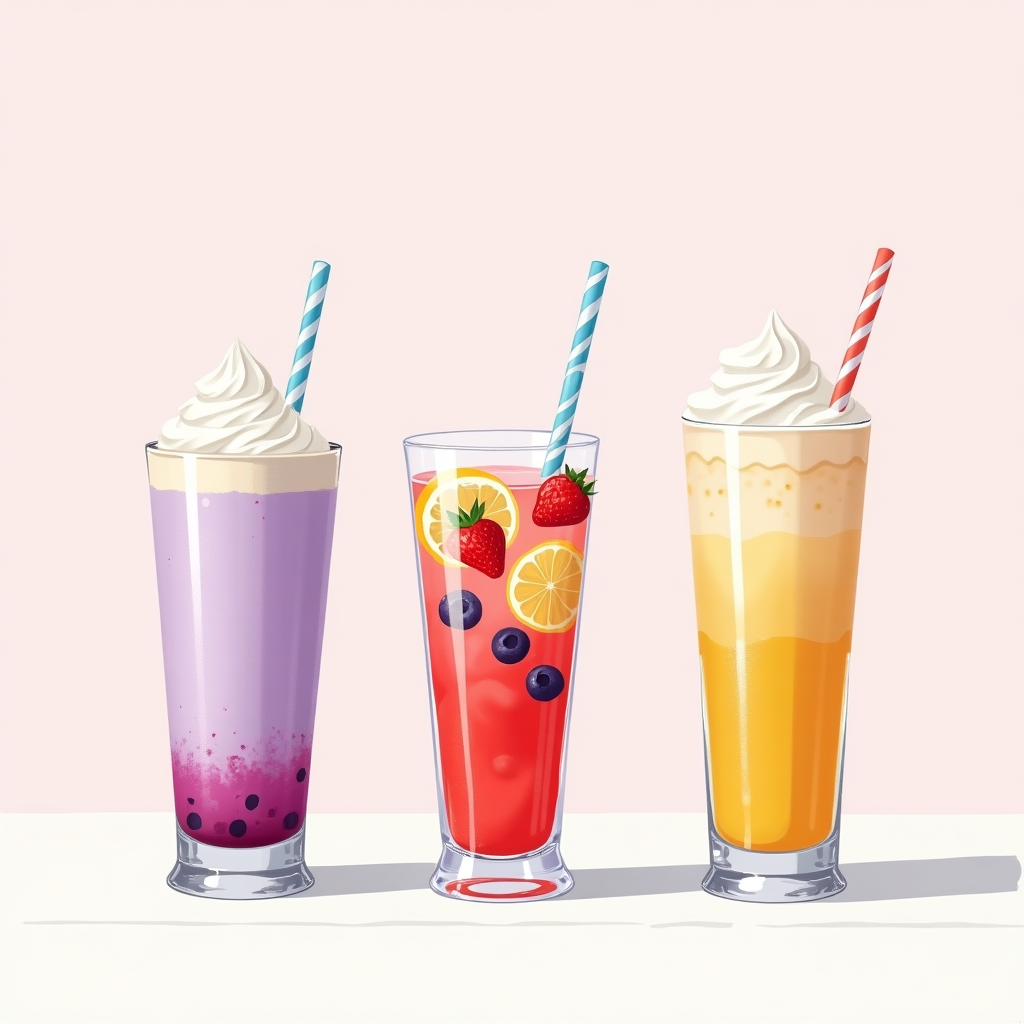
This spring, Starbucks leaned into lavender-based drinks across its lineup. These drinks stand out because they feel light, fresh, and different from the usual coffee flavors. The color alone makes them instantly recognizable and highly shareable.
You are also seeing more cafes experimenting with ingredients like rose, hibiscus, and orange blossom. These are not new, but they are being positioned in a way that feels modern and seasonal.
Why this works
Floral flavors signal a shift in mood. After winter, people look for something that feels clean and refreshing. Lavender and similar ingredients tap into that feeling without needing heavy sweetness.
They also stand out visually. A soft purple latte or a layered hibiscus drink catches attention in a way a regular iced coffee does not. That visual difference plays a big role in why customers try them.
How to apply this to your menu
You do not need to rebuild your menu to use this trend. Start simple:
- Add a lavender syrup option to your existing iced and hot drinks
- Introduce one signature spring drink with a floral base
- Pair floral notes with vanilla or honey to keep it approachable
The key is balance. If it feels too niche, customers will hesitate. If it feels familiar with a twist, they will try it.
2. Berry and Citrus Flavors Drive Repeat Orders
What major brands are doing
Dutch Bros built a big part of its Spring 2026 menu around berry combinations. The Pretty in Pink Rebel and lemonade blends use strawberry, raspberry, and blackberry layered with cream and bright finishes.
Across the industry, citrus is also coming back strong. Lemonades, yuzu blends, and orange-based drinks are showing up in both large chains and smaller cafes.
Why this works
Berry and citrus flavors are easy to understand. Customers do not need to think twice before ordering them. They already know what to expect.
At the same time, these flavors feel refreshing and energizing. That makes them perfect for warmer weather and afternoon visits. They also work well across multiple formats like iced drinks, refreshers, and even teas.
Another reason they perform well is flexibility. You can mix and match berries, adjust sweetness, and create multiple variations without adding complexity to your operations.
How to apply this to your menu
This is one of the easiest trends to implement:
- Add a strawberry or mixed berry refresher to your menu
- Introduce a citrus-based iced drink with a simple flavor twist
- Offer customizable add-ons like fruit flavors or cold foam
If you want to go a step further, bundle these drinks with light snacks or pastries. That is where you start increasing order value without pushing discounts.
Here are 5 local brands with Spring Drink menus better than Starbucks.
3. Banana and Nostalgic Flavors Are Making a Comeback
What major brands are doing
Dunkin took a different direction this spring by focusing on banana-flavored drinks. Items like the Banana Puddin’ Cloud Latte and Banana Shakin’ Espresso bring a nostalgic feel that stands out from typical seasonal menus.
This is part of a larger shift toward flavors that remind people of desserts or childhood favorites. Think banana, caramel, chocolate blends, and creamy textures.
Why this works
Nostalgia is powerful. When a flavor reminds someone of something familiar, they are more likely to try it. It reduces the risk of ordering something new.
Banana in particular works well because it pairs easily with coffee and milk-based drinks. It adds sweetness without needing heavy syrups and creates a smooth texture that feels premium.
It also gives brands a way to stand out. While many menus focus on freshness and lightness, nostalgic flavors bring comfort into the mix.
How to apply this to your menu
You do not need a full dessert lineup to use this trend:
- Add a banana syrup or puree option for lattes and shakes
- Create one signature drink inspired by a dessert flavor
- Combine banana with chocolate or vanilla for a safe entry point
This works especially well as a limited-time item. It feels unique enough to create curiosity, but familiar enough to convert.
Why Spring Menus From Big Brands Go Viral
If you look at how these menus launch, it is clear they are designed to feel like an event. It is not just about taste. It is about timing, presentation, and how the release is introduced to customers. That is what turns a simple drink into something people talk about, share, and come back for.
Here are the patterns that show up again and again.
1. Limited-time framing creates urgency
Seasonal items are always positioned as short-run. You will see phrases like spring only or available for a limited time. That small detail changes how people behave.
When something feels temporary, customers are more likely to act quickly instead of delaying the decision. It removes the option to come back later.
For smaller brands, this is one of the easiest strategies to apply.
- Launch a small set of seasonal items instead of a full menu change
- Be clear about the time window from day one
- Use language that reinforces that this will not stay
The goal is to create a reason to order now, not someday.
2. These menus are built for Instagram and TikTok
Look at the drinks themselves. Lavender lattes, bright berry refreshers, layered lemonades. They are designed to stand out visually.
Color, texture, and presentation play a big role in why these items spread across social platforms. Customers do the marketing by posting them.
This is not about making something complicated. It is about making something noticeable.
- Use ingredients that create contrast in color
- Keep the final product clean and easy to recognize
- Think about how it will look in a quick photo
If a drink looks different from everything else on the menu, it is more likely to get attention.
3. They connect with how customers want to feel
Spring menus are not random. They are tied to a shift in mindset. People are coming out of winter and looking for something lighter, fresher, and more energizing.
That is why floral, citrus, and fruit-based flavors perform well. They match the mood of the season.
You also see timing aligned with moments like spring break, Easter, and the lead-up to summer. That makes the menu feel relevant to what customers are already experiencing.
For your menu, this means thinking beyond flavor.
- Does this item feel refreshing or heavy
- Does it match the season customers are in
- Would someone choose this on a warm afternoon
When the product fits the moment, it becomes an easier decision.
4. Hype is built before the launch
Big brands rarely release a menu without building anticipation first. They create awareness before the first order even happens.
You will see a mix of:
- Early teasers on social media
- Email announcements before the launch date
- App push notifications that highlight what is coming
The Starbucks app is a strong example of this. It consistently uses app notifications and early-access drops to bring in customers as soon as a seasonal menu goes live.
This is where smaller brands often miss out. The menu goes live, but no one knows about it.
To apply this:
- Announce your spring menu a few days before launch
- Use push notifications to highlight key items
- Share sneak peeks instead of waiting for the full drop
If customers are expecting it, they are more likely to order it.
Set up your first push notifications campaign in minutes and start reaching customers directly. Sign up with Per Diem.
5. It feels easy to try
One reason these menus perform well is that they feel low-risk. The flavors are new, but they are still familiar enough for customers to understand.
Lavender is often paired with vanilla. Berry drinks are balanced with cream. Banana is combined with chocolate or espresso.
This reduces hesitation. Customers feel confident ordering something new because it still fits within what they already like.
For your menu:
- Pair new flavors with familiar bases
- Avoid making every item too experimental
- Keep descriptions simple and clear
The goal is to make trying something new feel comfortable.
Bringing This Into Your Own Spring Menu
You do not need a large menu or a big budget to apply these ideas. What matters is how you combine a few strong ingredients with the right launch approach.
Start with a small set of seasonal items. Focus on ingredients that are already performing across major brands. Present them in a way that stands out visually. Build awareness before you launch, and give customers a clear reason to try them now.
When these pieces come together, your spring menu stops being just an update. It becomes something customers notice, share, and come back for.
Final Thoughts
Spring menus work best when they are intentional. The brands that drive the most demand are not adding more items. They are choosing better ones and launching them with purpose.
If you are planning your next menu update, start with the ingredients that are already getting attention, then focus on how you present and promote them.
That is what turns a seasonal idea into real orders.
If you want your seasonal menu to drive more orders, not just sit on the board, it starts with how you execute. Book a demo and see how Per Diem helps.