





















Operational Efficiency
Your Bakery Isn’t Too Small, It’s Too Slow: How to Fix Peak Hour Congestion
Apr 12, 2026
TLDR
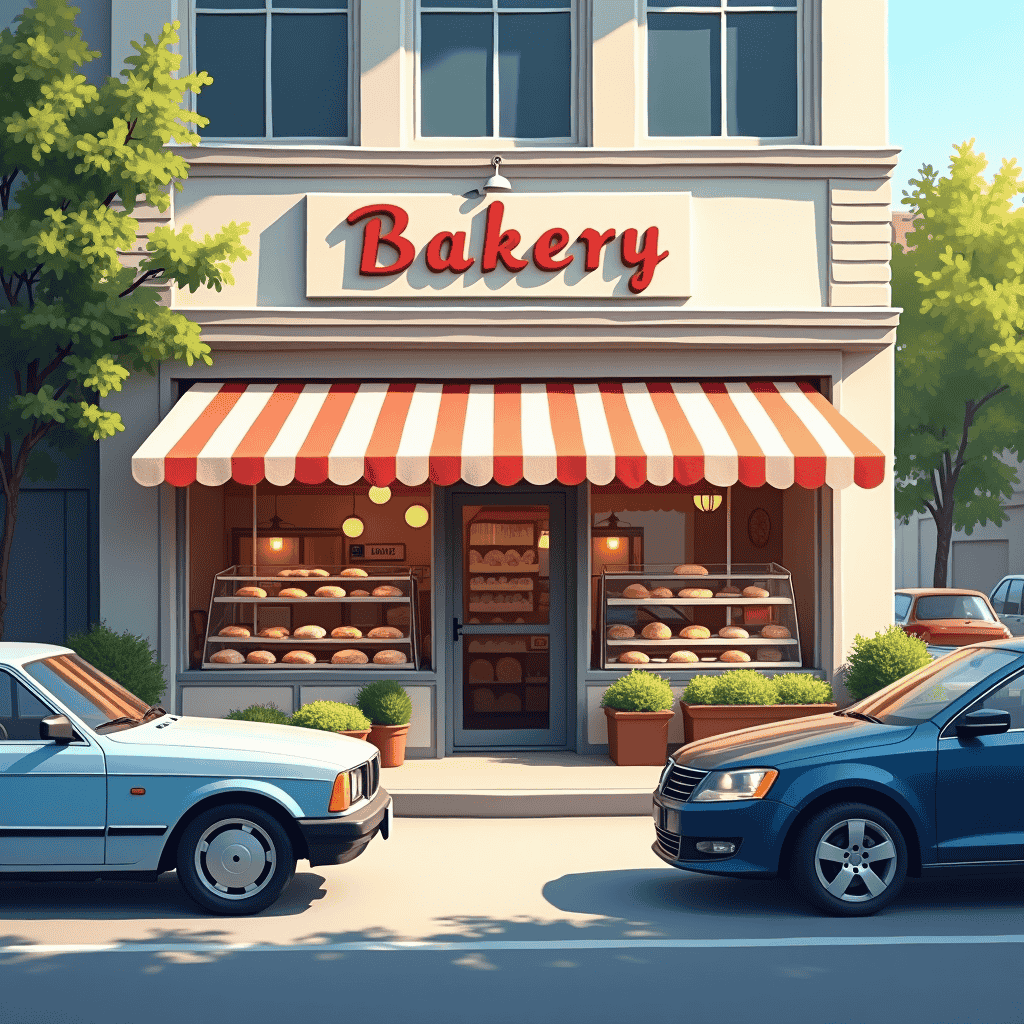
High demand is a good problem for a bakery to have, but only if the operation can keep up with it. When the system slows down, even slightly, it creates a chain reaction. Orders take longer to process, customers wait longer than they expected, and the space starts to feel tighter than it really is. Outside, cars stay parked longer, and new arrivals struggle to find a spot. It may seem like a capacity issue, but it is actually a timing issue driven by how quickly each order is completed.
 cuteasacupcake3
12 likes
🎉 IT’S HERE!!! 🎉 The Cute as a Cupcake app is officially LIVE!! 💕 Ordering your favorites just got easier, faster, and sweeter 🍰✨ 📱 What you can do in the app: • Order ahead & skip the line • Pay instantly with Apple Pay 🍎 • Earn rewards + collect points ⭐ • Send digital gift cards 🎁 • Use & reload store credit anytime This is more than an app… it’s your VIP cupcake experience 💗 👉 Download now (link in bio) & treat yourself today! Because remember… A life without cupcakes is a life without love 💕 #CuteAsACupcake #CupcakeLovers #DessertApp
View on Instagram
Run Peak Hours Like a Separate Operation
Most bakeries treat busy hours as a natural extension of the day. The same setup, the same roles, and the same pace continue even when demand doubles. This is where small delays start to stack up. Peak hours need a different structure because the goal shifts from variety to speed.
Focus on what sells the most during rush
During morning and weekend peaks, customers are not exploring the full menu. They usually come in for a few specific items. Croissants, muffins, bread, and coffee combinations often drive the majority of orders. Keeping these items ready and easy to access reduces preparation time and removes unnecessary steps from each order.
This is not about limiting choice. It is about making sure your highest demand items move quickly without friction.
Prepare with demand in mind, not evenly across the menu
A common mistake is preparing everything in equal quantities. In reality, demand is uneven during peak hours. When your team focuses on what is actually selling the most, they avoid delays caused by switching between too many tasks.
Keeping high-volume items consistently stocked and within reach allows your team to maintain a steady pace instead of constantly catching up.
Split responsibilities at the counter
When one person handles ordering, payments, and handoff, the process slows down every time they switch between tasks. This creates small pauses that build into longer wait times.
Separating these roles during busy periods changes the flow completely. One team member can keep taking orders without interruption, while another focuses only on packing and handing them out. This creates a continuous movement instead of stop and start service.
Guide decisions to keep orders moving
During peak hours, hesitation at the counter adds up quickly. Staff should take a more active role in guiding customers. Simple suggestions and clear direction reduce decision time and keep the line moving without making the experience feel rushed.
Over time, shaving even a minute off each order has a visible impact on how many customers you can serve within the same window.
Use Mobile Pre Orders to Smooth and Control Demand
Unplanned walk in traffic creates pressure because it arrives in waves. Even if you expect a rush, you cannot control exactly when people show up. This is what leads to sudden slowdowns.
Mobile pre ordering helps shift that from reactive to controlled.
Reduce time spent on site
Without pre-ordering, customers go through multiple steps inside the store. They wait to order, then wait again for preparation. During busy periods, this can easily stretch to 10 or more minutes.
With pre-ordering, most of that time is removed. Customers arrive closer to when their order is ready, pick it up, and leave within a much shorter window. This directly improves how quickly your space turns over.
Spread customer arrivals across time
One of the biggest advantages of pre-ordering is how it distributes demand. Instead of everyone arriving at once, customers select pickup times that fit their schedule.
This reduces pressure during peak minutes and creates a more even flow throughout the hour. For your team, it means fewer sudden spikes. For your storefront, it means less crowding at any given moment.
Create a more predictable production flow
When orders come in ahead of time, your team can prepare them in sequence instead of reacting to a queue. This makes the kitchen more efficient and reduces the chances of delays during high demand periods.
A smoother preparation process leads to more consistent pickup times, which keeps customers moving without unnecessary waiting.
Introduce Curbside and Quick Handoff Systems
Once ordering and preparation become faster, the next step is reducing how long customers stay at the point of pickup. Even small delays during handoff can slow everything down, especially when multiple customers arrive at the same time.
Curbside and quick pickup systems help remove this bottleneck by making the final step of the journey faster and more direct.
Create a dedicated pickup flow
A common issue in busy bakeries is mixing ordering and pickup in the same space. Customers who have already paid end up waiting behind those still deciding. This adds unnecessary friction.
Setting up a separate pickup area changes that dynamic. When customers know exactly where to go, they can collect their order without entering the main line. This keeps both flows moving independently and reduces crowding near the counter.
Even a simple pickup shelf with clear labeling can make a noticeable difference during peak hours.
Use curbside to reduce in store congestion
For locations with limited space, curbside pickup offers a practical solution. Instead of requiring every customer to enter the store, you can complete the handoff outside.
A simple system works best. Customers place their order in advance, arrive, and notify the store through a quick message or app action. A team member then brings the order out.
This approach reduces foot traffic inside while also shortening how long customers occupy nearby parking spots.
Assign a runner during high volume periods
During peak windows, having one team member focused on handoffs can significantly improve speed. This person can manage the pickup area, call out orders, and handle curbside requests without interrupting the rest of the team.
It is a small operational change, but it removes delays at one of the most critical points in the customer journey.
Improve Timing with Clear and Accurate Communication
Even when operations are efficient, poor timing can still create congestion. When customers arrive too early, they wait. When they arrive too late, orders sit and create confusion. In both cases, flow breaks down.
Clear communication helps align customer arrival with actual readiness.
Set accurate expectations from the start
Customers plan their visit based on the information you give them. If preparation times are unclear or inconsistent, they tend to arrive early to avoid waiting. This leads to unnecessary buildup both inside and outside the store.
Providing realistic preparation times at the point of ordering helps customers time their arrival better. When expectations match reality, the entire flow becomes smoother.
Notify customers when orders are ready
Simple notifications can significantly improve timing. Letting customers know exactly when their order is ready reduces guesswork and prevents early arrivals.
This is especially effective for pre orders, where timing is already part of the experience. A quick update ensures customers come in, pick up, and leave without delay.
Reduce idle time around the store
When customers are unsure about their order status, they tend to wait nearby. This increases crowding and extends how long they stay on site.
Clear updates and visible pickup processes remove that uncertainty. Customers move with confidence, which keeps both the store and the surrounding area less congested.
Final Thoughts
Most bakeries look at congestion as a space problem. In reality, it is a time problem.
When each customer moves through your system faster, everything improves. Lines move quicker, staff feel less pressure, and your location can handle more orders without expanding. Parking becomes easier simply because each spot turns over more often.
The goal is not to control how many people show up. It is to control how smoothly they move through.
The bakeries that do this well are not relying on one big change. They are making small, intentional improvements across ordering, preparation, handoff, and communication. Together, these changes create a system that handles volume without feeling overwhelmed.
If you can reduce the time each customer spends from entry to pickup, you are not just improving operations. You are increasing how much your bakery can handle with the space you already have.
You already have the demand. The next step is handling it better. Book a demo to learn more with an expert.